

Blog
Alcoholic Liver Disease (ALD)
What Alcohol Really Does to Your Liver - and When It Becomes Irreversible
Tashira Persia
Physician Reviewed
The liver is the organ in charge of metabolizing ethanol (the type of alcohol in alcoholic beverages); it detoxicates the body of this toxic component using enzymes produced by liver cells. Those enzymes can handle certain amounts of alcohol; however, when the liver is exposed to high amounts of alcohol that exceed the metabolic capacity of those enzymes, ethanol can produce signs and symptoms of intoxication and can cause damage to various organs, specifically the liver.
According to the CDC, excessive drinking is defined as binge drinking–consuming 4 or more drinks for women or at least 5 drinks for men on one occasion–or as heavy drinking, consuming at least 8 drinks for women and 15 drinks for men in a week.
Prevalence of Alcoholic Liver Disease
Globally, alcoholic liver disease (ALD) is one of the leading causes of chronic liver disease.
The number of Americans who have been exposed to alcohol in their life is alarming. According to the NIH, 85% of the population older than 21 has drunk alcohol at some point in their lifetime, and approximately 10% of the population has alcohol use disorder (AUD).
Progression of Alcoholic Liver Disease
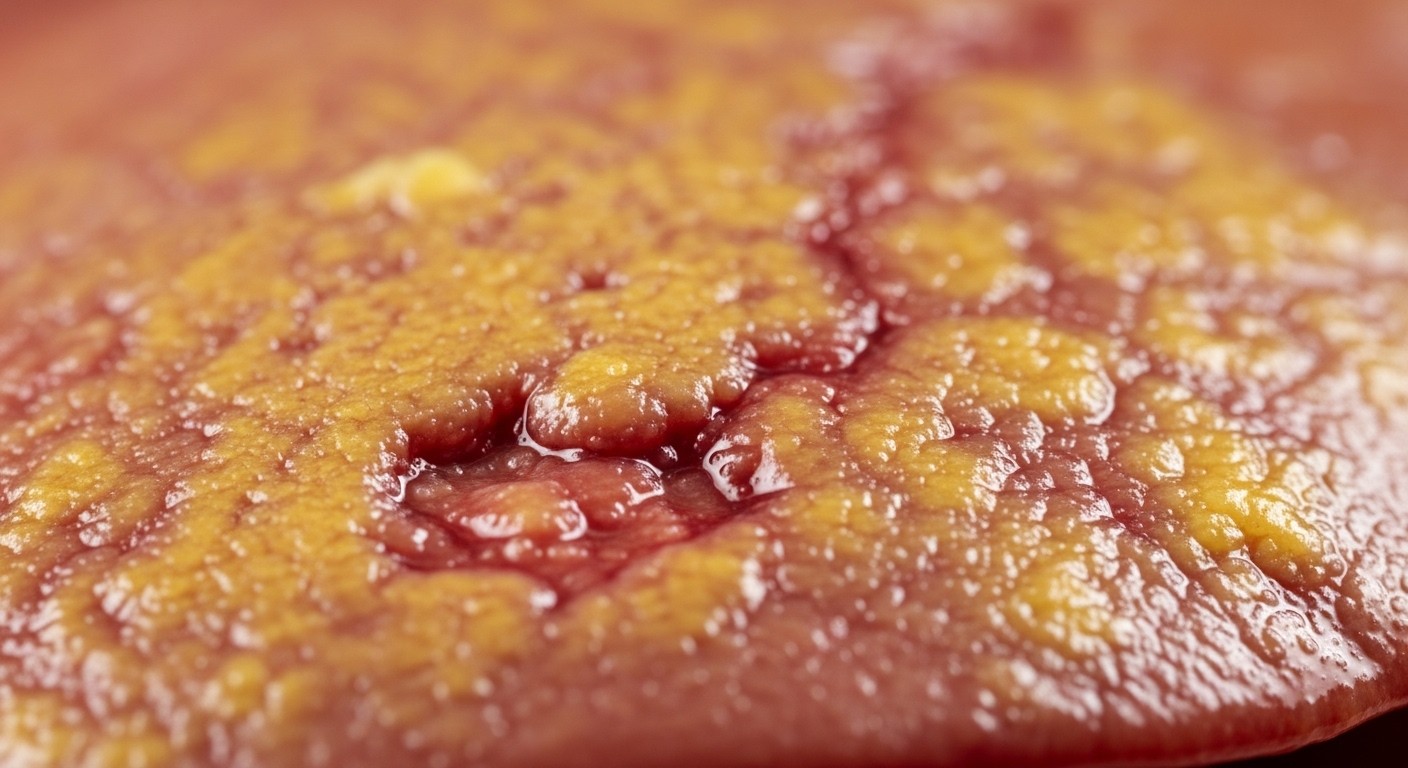
The first stage is the accumulation of small fat droplets in the liver, also called fatty liver infiltration. After additional exposure to alcohol, the liver can show marked steatosis, hepatocellular necrosis, and acute inflammation, known as alcoholic hepatitis. Cirrhosis is a complication of a long-term inflammation of the liver which can progress to a decompensate stage characterized by jaundice (elevated bilirubin causing yellowing of the skin and eyes), ascites (abnormal accumulation of fluid in the abdomen), hepatic encephalopathy (impaired liver detoxification leading to buildup of neurotoxins such as ammonia), and esophageal variceal hemorrhage (life-threatening bleeding from dilated veins in the upper gastrointestinal tract). Ultimately, if left untreated, liver transplant is the only option for cirrhosis. The alcoholic liver disease natural course goes from a reversible disease to an irreversible disease.
How Alcoholic Liver Disease Aligns with Covenant's Mission
After being exposed to a high amount of alcohol for a prolonged time, the most important pathway to follow is seeking attention as soon as possible to act on the options that we can offer you. Decreasing the amount of alcohol consumption step by step is necessary but combining that with a promising drug treatment is ideal.
At Covenant Metabolic Specialists, we have options for patients with alcohol liver disease and for patients who are actively drinking. With these options, we aim to create a decrease in fatty liver infiltration, inflammation, and fibrosis, as well as a decrease in alcohol consumption. Treating patients early can help to prevent the progression of liver disease.
Conclusion
The late stage of alcoholic liver disease can lead to many potentially lethal complications. Even increasing rates of hospitalization due to liver decompensation could be life-threatening through prolonged exposure to hospital pathologies. Explore your options and avoid the progression of alcoholic liver disease.
Medical Advice Disclaimer
The content on CMS’s website (including, without limitation, any testimonials) is for general informational purposes only. It is not intended to diagnose or treat any condition, illness, or disease. All content from this site or connected social media channels is not intended to be used for medical diagnosis or treatment. Please consult a licensed medical professional for medical advice. CMS does not guarantee the accuracy, completeness, or timeliness of any information presented on this website.