

Blog
Cirrhosis
Covenant Metabolic Specialists Health Library
Covenant Metabolic Specialists
Physician Reviewed
Dec 3, 2025
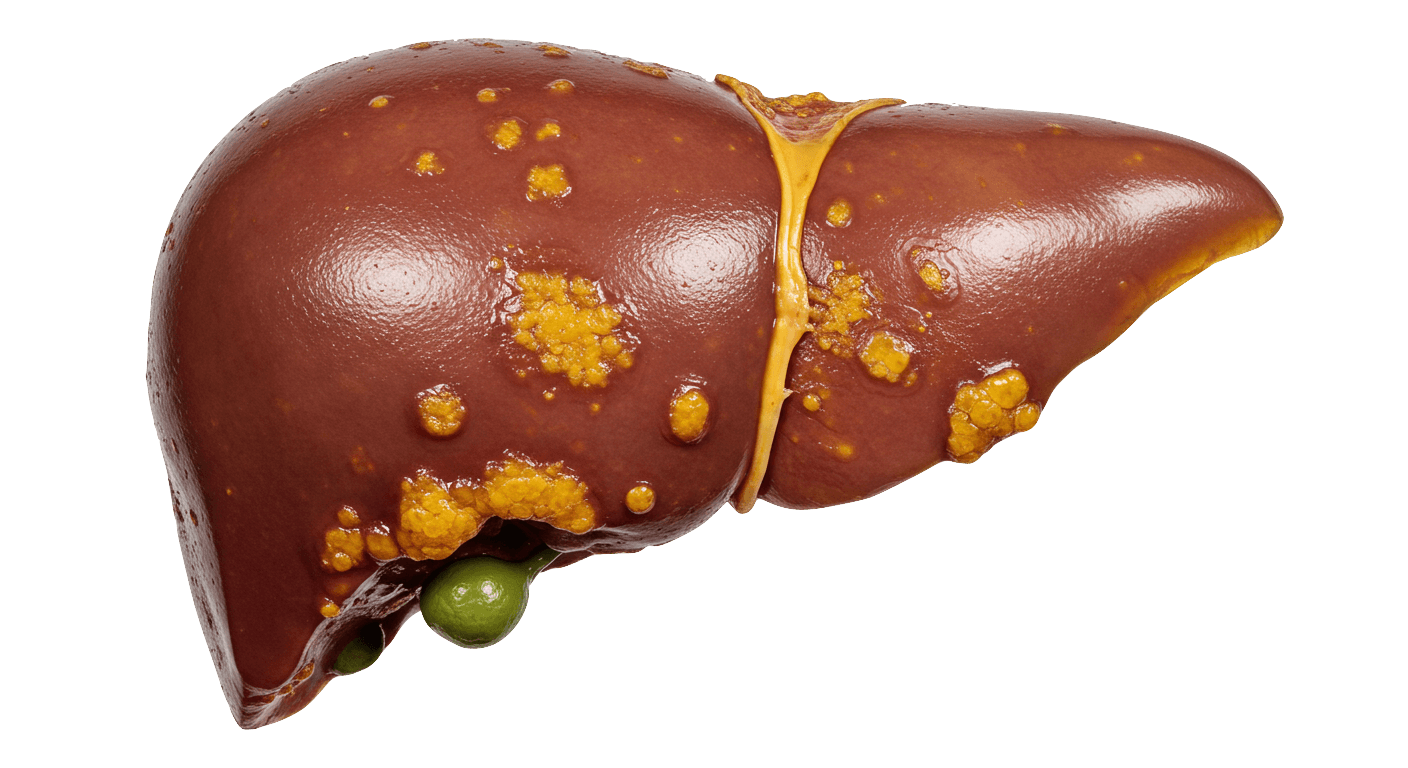
Cirrhosis is the end‑stage of chronic liver injury characterized by widespread fibrosis and nodule formation that distort hepatic architecture. As scar tissue replaces healthy parenchyma, the liver gradually loses its synthetic, metabolic, and detoxifying functions. Progression can culminate in portal hypertension, liver failure, or hepatocellular carcinoma if not intercepted.
Symptoms
Cirrhosis is the end‑stage of chronic liver injury characterized by widespread fibrosis and nodule formation that distort hepatic architecture. As scar tissue replaces healthy parenchyma, the liver gradually loses its synthetic, metabolic, and detoxifying functions. Progression can culminate in portal hypertension, liver failure, or hepatocellular carcinoma if not intercepted.
Causes
Major etiologies include chronic hepatitis B or C infection, prolonged heavy alcohol use, metabolic dysfunction–associated steatotic liver disease, autoimmune hepatitis, cholestatic disorders such as primary biliary cholangitis or PSC, and genetic diseases like Wilson’s or hemochromatosis. Less common causes are cardiac congestion, alpha‑1 antitrypsin deficiency, and drug toxicity.
Risk Factors
Persistent viral hepatitis, daily alcohol overuse, obesity, diabetes, dyslipidemia, unsafe needle or sexual practices, family history of genetic liver disorders, long‑term hepatotoxic medications, and exposure to aflatoxins elevate cirrhosis risk. Coexisting metabolic syndrome or multiple liver insults synergistically accelerate progression.
Diagnosis
Evaluation begins with liver panel abnormalities—elevated AST, ALT, or ALP—and synthetic markers such as low albumin and prolonged INR. Imaging with ultrasound or elastography shows coarse echotexture and stiffness. Endoscopy screens for varices. Liver biopsy provides definitive staging when noninvasive tests are inconclusive.
Treatments
Management focuses on halting injury, reversing reversible elements, and managing complications. Key steps: abstain from alcohol, eradicate hepatitis C, suppress hepatitis B, achieve weight loss in MASLD, use beta‑blockers for variceal prophylaxis, diuretics and paracentesis for ascites, lactulose/rifaximin for encephalopathy, and consider liver transplantation in decompensation.
Prevention
Vaccination against hepatitis A and B, harm‑reduction practices for IV drug use, moderated alcohol intake, healthy weight, control of diabetes and lipids, and routine liver screening in high‑risk groups prevent cirrhosis. Early antiviral therapy and lifestyle change arrest disease before scarring becomes irreversible.
Our Take
Cirrhosis is often portrayed as inevitable once diagnosed—but many cases are preventable and even reversible in early stages. Covenant deploys an integrated liver‑metabolic program: we tackle weight, viral load, alcohol use, and cardiovascular risk simultaneously, aiming not merely to slow harm but to regenerate liver health.
Cirrhosis represents the liver’s tipping point, yet timely intervention can stabilize or reverse damage and avert fatal complications. Through vigilant monitoring, lifestyle transformation, antiviral therapy, and transplant pathways, Covenant guides patients from late discovery back toward liver resilience.