

Blog
Crigler-Najjar Syndrome
Covenant Metabolic Specialists Health Library
Covenant Metabolic Specialists
Physician Reviewed
Dec 3, 2025
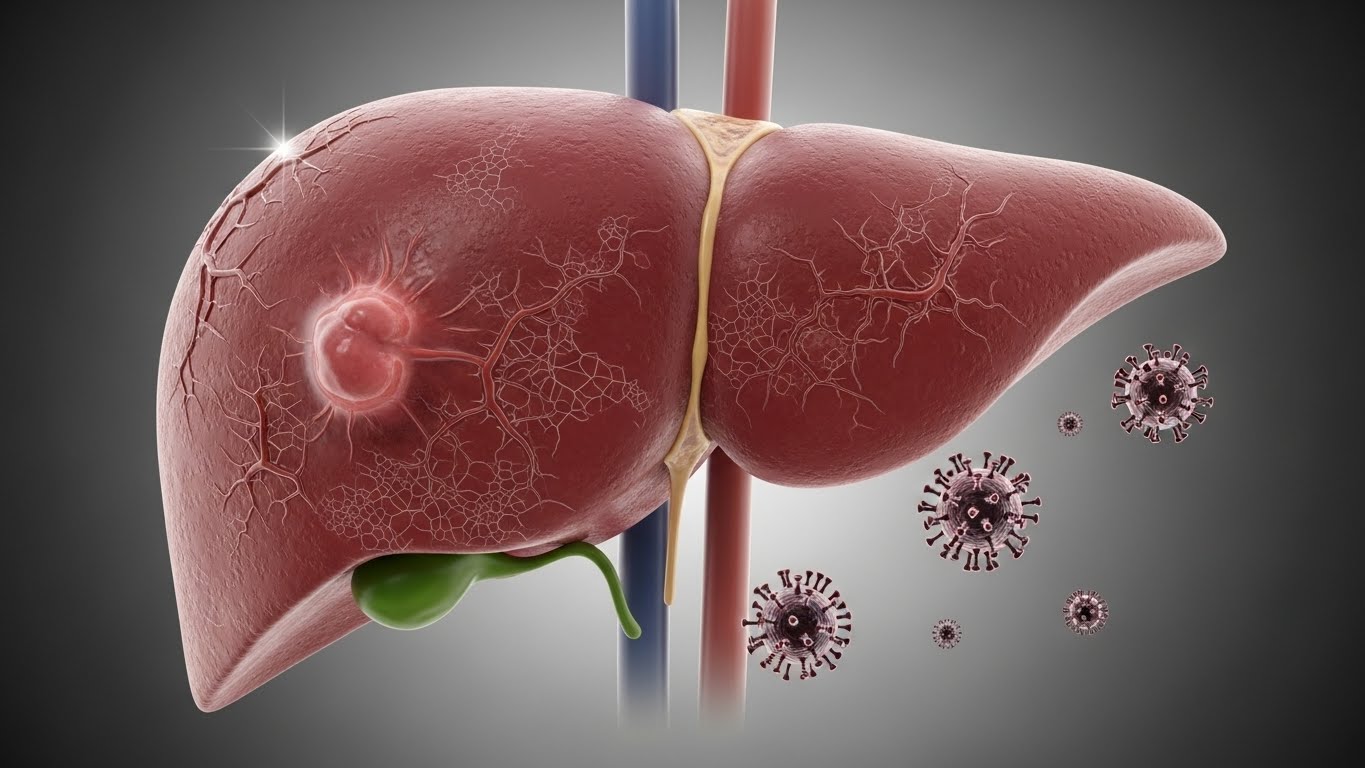
Crigler-Najjar syndrome is a rare inherited disorder that affects the liver’s ability to process bilirubin, a yellow waste product formed when red blood cells break down. The condition leads to dangerously high levels of unconjugated bilirubin, which can cause permanent neurological damage if left untreated. While there’s no cure, early diagnosis and consistent care can prevent severe complications and improve quality of life.
What is Crigler-Najjar Syndrome?
Crigler-Najjar syndrome is a genetic disorder caused by a deficiency in the liver enzyme UGT1A1, which is essential for converting unconjugated (indirect) bilirubin into its conjugated (water-soluble) form so it can be excreted. When this enzyme is absent or severely reduced, bilirubin builds up in the blood—a condition known as hyperbilirubinemia. It can lead to a life-threatening form of brain damage called kernicterus if not managed.
There are two types:
Type 1: Complete absence of UGT1A1 enzyme. More severe. Appears in the first days of life.
Type 2 (Arias syndrome): Partial enzyme activity. Less severe. Often manageable with medication.Crigler-Najjar syndrome (CNS) is a rare, inherited liver disorder in which mutations in the UGT1A1 gene cripple the enzyme that conjugates bilirubin. Unconjugated (lipid-soluble) bilirubin accumulates, causing persistent jaundice and—if levels soar—kernicterus, an irreversible form of brain injury.
Symptoms
Symptoms usually appear in infancy or early childhood.
Main signs and symptoms include:
Persistent jaundice (yellowing of skin and eyes)
Unusually high levels of bilirubin on blood tests
Fatigue or poor feeding in newborns
Dark urine and pale stools (less common)
Neurological symptoms in severe cases, including:
Muscle rigidity
Arching of the back
Lethargy
Hearing loss
Delayed motor development
Seizures (if kernicterus develops)
Causes
Crigler-Najjar syndrome is caused by mutations in the UGT1A1 gene, inherited in an autosomal recessive pattern.
In Type 1, there is a complete absence of enzyme activity.
In Type 2, there is partial enzyme function—enough to reduce bilirubin levels with treatment.
The liver normally processes bilirubin into a form that the body can excrete in bile and urine. When this process breaks down, unconjugated bilirubin accumulates, especially in the brain and central nervous system.
Risk Factors
Crigler-Najjar syndrome is extremely rare—fewer than 1 in 1 million people are affected—but your risk increases if:
Both parents are carriers of a UGT1A1 mutation
There is a family history of the condition
You come from a population with high rates of consanguineous marriage (where carriers are more likely to pair)
There are no lifestyle-related or environmental risk factors.
Diagnosis
Diagnosis is usually made in infancy based on symptoms and lab testing:
Blood tests
High total and indirect (unconjugated) bilirubin
Normal liver enzymes and liver function otherwise
Genetic testing for UGT1A1 mutation
Response to phenobarbital (Type 2 shows improvement, Type 1 does not)
Liver biopsy or enzyme assay (rarely done now due to advances in genetic testing)
Early detection is key to prevent kernicterus and irreversible brain damage.
Treatments
Treatment varies based on the type and severity of the condition.
Type 1:
Phototherapy: Daily high-intensity light therapy to convert bilirubin into a form the body can excrete
Liver transplant: Often required in childhood or adolescence to cure the condition
Calcium supplements & hydration: To manage potential phototherapy-related side effects
Avoiding fasting, illness, or dehydration, which can increase bilirubin levels
Type 2:
Phenobarbital: A medication that stimulates the residual UGT1A1 enzyme and reduces bilirubin levels
Phototherapy (less frequent) may be needed during illness or stress
Liver transplant is rarely needed
Regular blood monitoring is necessary to track bilirubin levels and prevent complications.
Prevention
There is no way to prevent Crigler-Najjar syndrome in individuals who inherit it, but steps can be taken to identify and manage risk:
Genetic counseling for at-risk families
Carrier testing for parents with a family history
Prenatal diagnosis in families known to carry mutations
Early screening of newborns with persistent jaundice
Preventing bilirubin spikes through lifestyle precautions and prompt treatment of illness is critical in those already diagnosed.
Our Take
Crigler-Najjar may be rare, but the stakes are high. The buildup of bilirubin doesn’t just change skin color—it can damage the brain, permanently. At Covenant, we treat even persistent newborn jaundice with urgency and care. For families living with Crigler-Najjar, we build long-term care plans, guide liver transplant referrals, and support metabolic stability at every stage of life.
Persistent jaundice in a newborn? Or a known family history of rare liver disorders? Crigler-Najjar demands early care and lifelong strategy.
Schedule a consultation with your doctor for next steps.