

Blog
Diabetic Retinopathy
Covenant Metabolic Specialists Health Library
Covenant Metabolic Specialists
Physician Reviewed
Dec 3, 2025
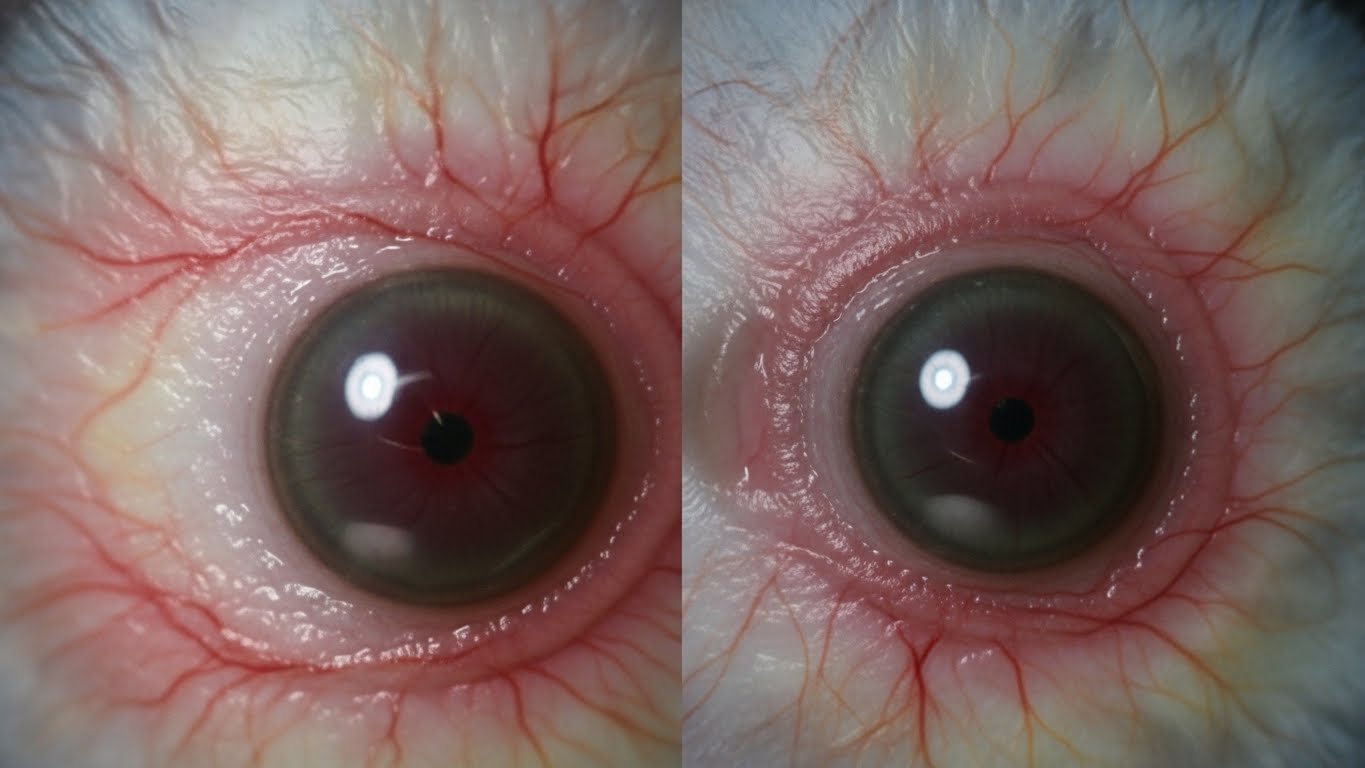
Diabetic retinopathy is microvascular damage to the retina caused by chronic hyperglycemia, leading to hemorrhages, exudates, and neovascularization that threaten sight. It is the leading cause of preventable blindness among working‑age adults. Early stages are asymptomatic, making routine eye exams indispensable.
Symptoms
Patients may notice blurred or fluctuating vision, dark spots, impaired color perception, or sudden vision loss if vitreous hemorrhage occurs. Macular edema can cause straight lines to appear wavy. Often, significant retinal damage precedes noticeable symptoms.
Causes
Persistent high blood sugar weakens retinal capillary walls, causing microaneurysms, leakage, and ischemia. The retina responds by releasing VEGF, spurring fragile new blood vessels that bleed easily. Hypertension and dyslipidemia accelerate this cascade.
Risk Factors
Long diabetes duration, poor glycemic control, hypertension, hyperlipidemia, pregnancy, and chronic kidney disease all elevate retinopathy risk. Smoking and obstructive sleep apnea add additional vascular stress.
Diagnosis
Annual dilated fundus examination or retinal photography detects microaneurysms, hemorrhages, and neovascularization. Optical coherence tomography assesses macular thickness. Fluorescein angiography maps ischemia and guides laser therapy.
Treatments
Early non‑proliferative stages require optimized metabolic control and blood‑pressure management. Advanced disease may need intravitreal anti‑VEGF injections, focal or panretinal laser photocoagulation, or vitrectomy for non‑clearing hemorrhage.
Prevention
Keeping A1c, blood pressure, and cholesterol within targets, plus annual eye exams starting at diagnosis (type 2) or five years after (type 1), prevents or delays retinopathy. Smoking cessation and exercise improve retinal perfusion.
Our Take
Eyesight loss devastates independence. Covenant partners with ophthalmology and uses deep‑learning retinal screening in primary care to catch changes months before vision is threatened.
Sight is priceless, yet preventable retinopathy still blinds thousands. Through relentless screening and modern intravitreal therapies, Covenant aims for a future where no patient loses vision to diabetes.