

Blog
Does Alcohol Cause Fatty Liver?
Yes - and Here's What You Can Do About It
Cameron Rolph, M.S.
Physician Reviewed
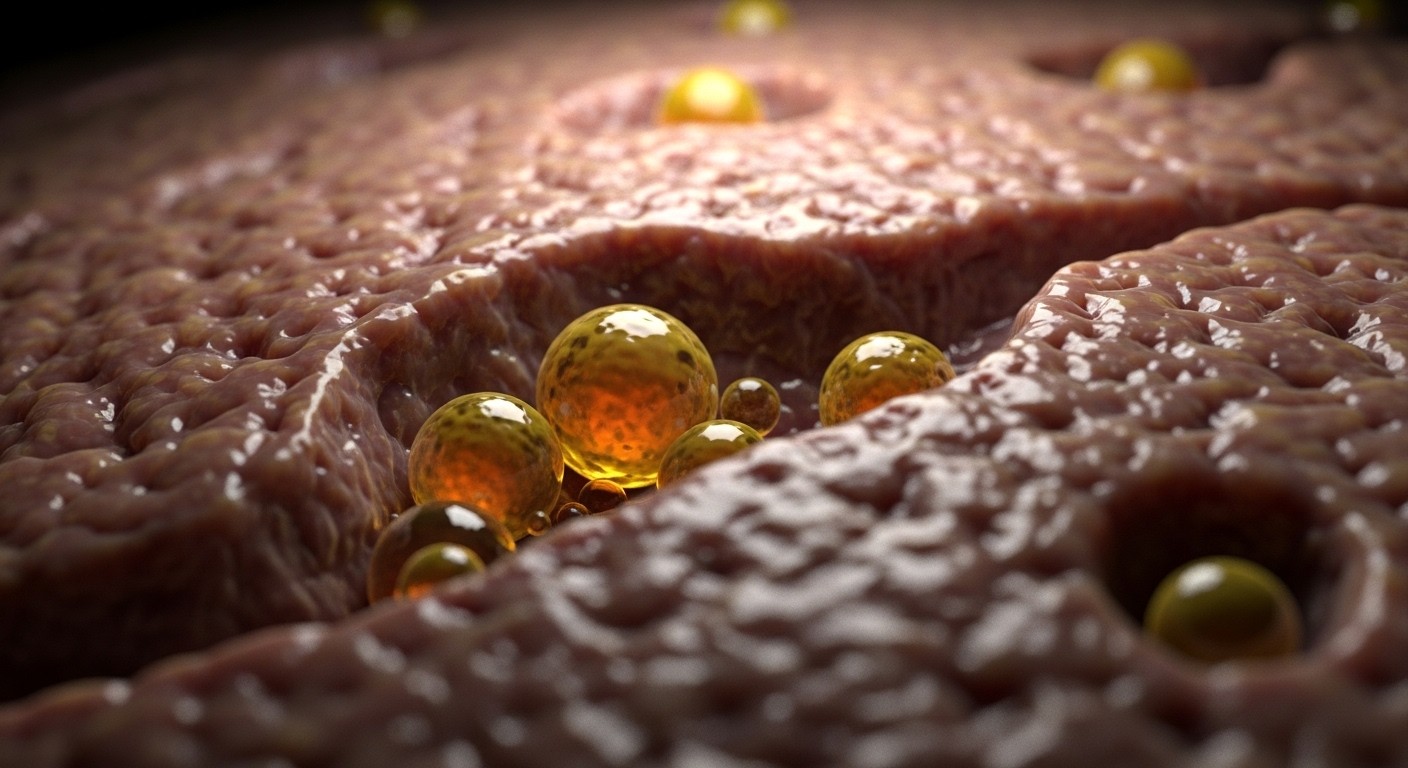
Alcohol often plays a central role in social gatherings, celebrations, and daily routines, but its impact on liver health is frequently overlooked. One of the most common results of long-term alcohol use is fatty liver, or hepatic steatosis, a condition where fat builds up within liver cells (hepatocytes). Understanding how alcohol contributes to this condition is vital, since early recognition and lifestyle changes can prevent the disease from advancing into more serious stages such as alcoholic hepatitis, fibrosis, or cirrhosis.
Pathophysiology/Scientific Details
The liver is responsible for breaking down alcohol using key enzymes, primarily alcohol dehydrogenase and cytochrome P450 2E1. During this process, alcohol is converted into acetaldehyde, a toxic byproduct, and then into acetate, which the body can use for energy. However, this breakdown disrupts the liver's normal metabolism of fats. The resulting increase in the NADH/NAD+ ratio inhibits fat oxidation and promotes fat synthesis, causing fat to accumulate inside liver cells.
Research from the National Institutes of Health (NIH) and Mayo Clinic shows that alcohol-induced fatty liver can occur even after short periods of heavy drinking, though persistent use causes the greatest harm. The encouraging news is that this early stage of liver injury is reversible. With complete abstinence, the liver can regenerate and often return to normal within a few weeks or months.
Prevalence/Impact on Society
Alcohol-related liver disease (ALD) is a growing public health concern. According to the NIH, one in four U.S. adults reports binge drinking, and alcohol is linked to nearly half of all liver-related deaths. Studies from Mayo Clinic and the NIH reveal that nearly 90% of heavy drinkers develop some form of fatty liver, frequently without noticeable symptoms. Beyond its medical toll, alcohol misuse contributes to rising healthcare costs, reduced workplace productivity, and emotional strain on families and communities nationwide.
How This Ties In With Covenant's Mission
At Covenant Metabolic Specialists, our mission is to advance liver health through research, prevention, and compassionate care. Using advanced diagnostic tools such as FibroScan, our team detects early signs of liver injury, whether related to alcohol use or metabolic causes. Through patient education, nutritional guidance, and clinical trial participation, Covenant empowers individuals to make informed changes that can reverse or slow liver disease progression, improving both longevity and quality of life.
Conclusion
Alcohol undeniably plays a direct role in the development of fatty liver disease. While the earliest stages are reversible with abstinence, ongoing alcohol consumption can lead to inflammation, fibrosis, and irreversible scarring (cirrhosis). Through early detection, education, and evidence-based care, Covenant Metabolic Specialists remain dedicated to preventing and treating alcohol-related and metabolic liver diseases, keeping prevention, healing, and recovery at the heart of liver health.
Medical Advice Disclaimer
The content on CMS’s website (including, without limitation, any testimonials) is for general informational purposes only. It is not intended to diagnose or treat any condition, illness, or disease. All content from this site or connected social media channels is not intended to be used for medical diagnosis or treatment. Please consult a licensed medical professional for medical advice. CMS does not guarantee the accuracy, completeness, or timeliness of any information presented on this website.