

Blog
Familial Hypercholesterolemia
Covenant Metabolic Specialists Health Library
Covenant Metabolic Specialists
Physician Reviewed
Dec 3, 2025
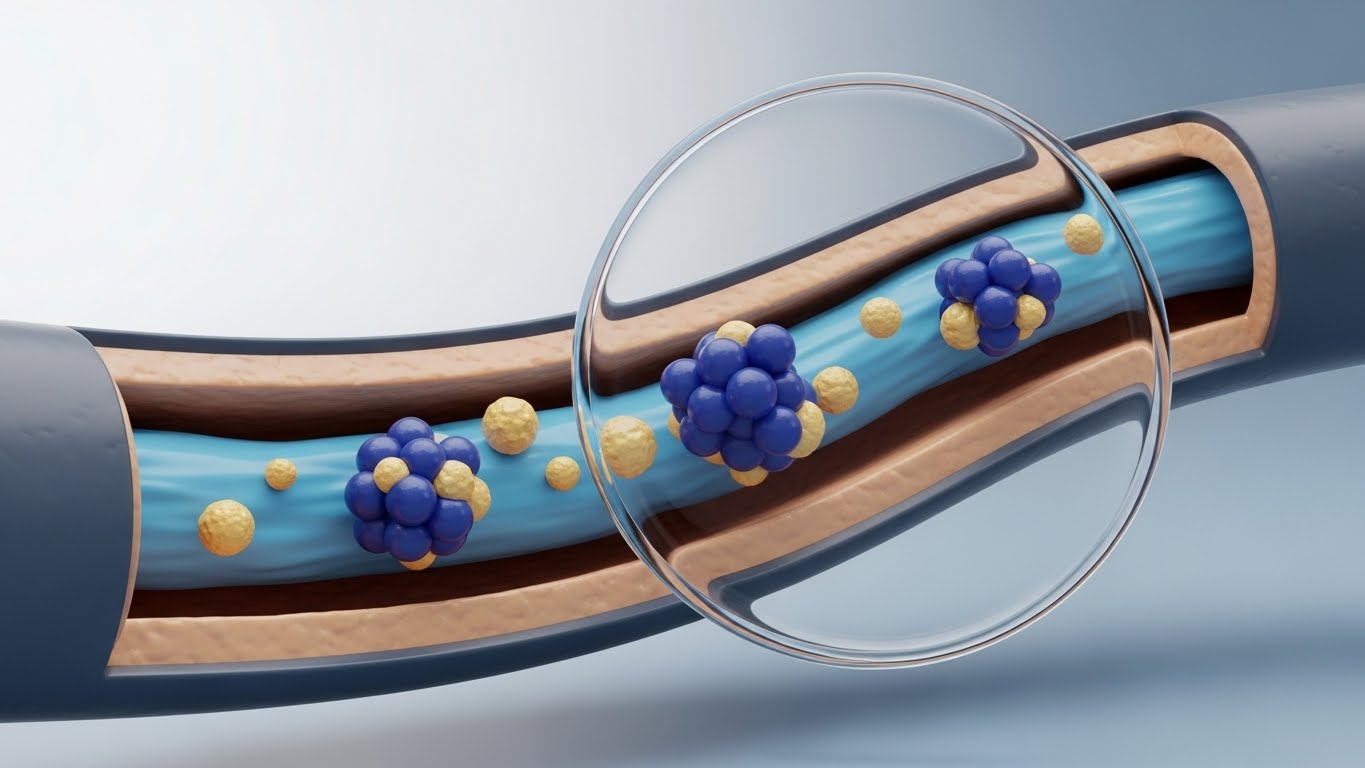
Familial hypercholesterolemia (FH) is an inherited disorder characterized by extremely high LDL‑cholesterol levels from birth, due to mutations affecting LDL receptor function. Untreated, FH leads to premature atherosclerosis, heart attacks, and strokes—sometimes before age 40. Early detection and aggressive treatment are lifesaving.
Symptoms
FH itself is silent until vascular disease appears, but physical signs can include tendon xanthomas on Achilles or hands, xanthelasma around the eyelids, and corneal arcus in younger individuals. Chest pain, angina, or heart attack may be the first symptom in undiagnosed adults.
Causes
Most cases stem from heterozygous mutations in the LDL receptor (LDLR) gene, while others involve APOB or PCSK9 gain‑of‑function mutations. Homozygous FH, with two defective alleles, produces LDL levels >500 mg/dL and childhood cardiovascular events.
Risk Factors
Having one or both parents with FH establishes genetic risk. Lifestyle factors like smoking, hypertension, or diabetes compound arterial injury but are not primary causes.
Diagnosis
Diagnosis relies on fasting lipid panels (LDL >190 mg/dL in adults), family history, and physical stigmata. Genetic testing confirms pathogenic variants. Coronary calcium scoring or carotid ultrasound assesses subclinical atherosclerosis.
Treatments
High‑intensity statins are first‑line. Ezetimibe, PCSK9 inhibitors, or bempedoic acid add further LDL lowering. Lipoprotein apheresis and evinacumab target severe or homozygous cases. Lifestyle modifications—plant‑forward diet, exercise—support but cannot substitute pharmacotherapy.
Prevention
Cascade screening of relatives identifies affected individuals early. Initiating statins in childhood for homozygous or severe heterozygous cases prevents plaque formation. Controlling blood pressure and avoiding tobacco reduce synergistic cardiovascular risks.
Our Take
FH isn’t your typical ‘high cholesterol.’ It’s a genetic time bomb. Covenant integrates genetic counseling, advanced lipid clinics, and aggressive therapy to defuse that bomb before the first heart attack.
Premature heart disease isn’t fate for FH families. Early universal lipid screening, cascade testing, and potent LDL‑lowering therapies turn fatal genetics into manageable risk.