

Blog
Familial intrahepatic cholestasis (FIC)
Familial intrahepatic cholestasis (FIC
Covenant Metabolic Specialists
Physician Reviewed
Dec 3, 2025
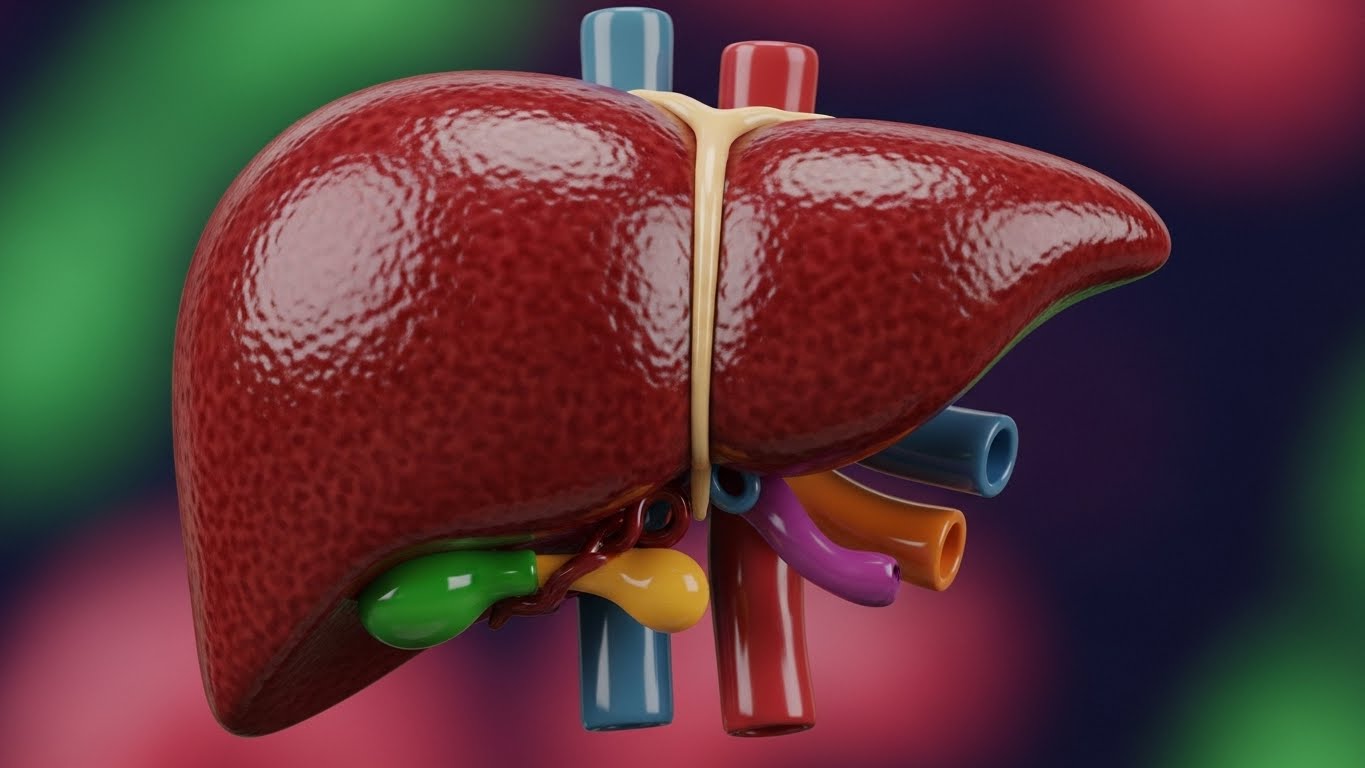
Familial intrahepatic cholestasis (FIC) refers to a group of inherited liver disorders—often labeled progressive familial intrahepatic cholestasis (PFIC)—characterized by defective bile formation and flow. Children present with relentless itching, jaundice, and growth failure, progressing to cirrhosis and liver failure without intervention.
Symptoms
Hallmark symptoms are intense pruritus, jaundice, pale stools, dark urine, and hepatomegaly. Nutrient malabsorption leads to fat‑soluble vitamin deficiencies (A, D, E, K) causing rickets, vision issues, and coagulopathy. Growth delays and poor weight gain are common.
Causes
Mutations in genes like ATP8B1, ABCB11, or ABCB4 disrupt bile salt transporters, causing bile acids to accumulate in hepatocytes, damaging liver tissue. Different genetic subtypes (PFIC1–6) have varying severity and extrahepatic manifestations.
Risk Factors
Autosomal recessive inheritance means children of carrier parents have a 25 % chance of disease. Consanguinity increases incidence. Certain subtypes cluster in specific ethnic groups, such as PFIC2 in the Inuit population.
Diagnosis
Work‑up includes elevated serum bile acids, normal or low gamma‑glutamyl transferase (except PFIC3), genetic testing, and liver biopsy showing canalicular cholestasis. Imaging rules out obstructive causes. Sweat chloride and CFTR testing differentiate from cystic fibrosis‑related cholestasis.
Treatments
First‑line therapy is ursodeoxycholic acid and rifampin for pruritus. Surgical options like partial external biliary diversion can reduce bile acid burden. New drugs such as odevixibat (IBAT inhibitors) lower serum bile acids. Ultimately, many patients require liver transplantation.
Prevention
Carrier screening and genetic counseling in at‑risk families aid informed reproduction. Early diagnosis allows vitamin supplementation and surgical intervention before irreversible liver damage.
Our Take
FIC robs children of comfort and growth. Covenant’s pediatric‑hepatology team fast‑tracks genetic testing and novel IBAT inhibitors to halt itching and protect liver cells while evaluating transplant timing.
Familial intrahepatic cholestasis once guaranteed early liver failure. Today, genetic insights, transporter‑targeted drugs, and timely transplantation offer genuine hope. Covenant guides families through every stage—from itch relief to post‑transplant thriving.