

Blog
Fatty Liver Disease is Prevalent in Floridians Even if Some Don't Know it
What people need to know about MASLD, risk factors, and early detection
Guy W. Neff, MD, MBA, FAASLD
Physician Reviewed
Have You Heard of Fatty Liver Disease?
Originally featured & published in the Tampa Bay Times
Guy W. Neff, MD, MBA, FAASLD
Summary
Fatty liver disease affects millions of Americans — often silently, without symptoms until advanced stages. In this article, Dr. Guy W. Neff explains what fatty liver disease is, why metabolic-associated steatotic liver disease (MASLD) is so common, who is most at risk, and what steps patients can take to protect their liver health through early screening and informed medical care.
Table of Contents
What Is Fatty Liver Disease?
Why MASLD Matters
Who Is Most at Risk?
Why Early Detection Is Difficult
How Fatty Liver Disease Is Evaluated
Have you heard of fatty liver disease?
If you said no, you are not alone.
Many Americans are unaware of this silent epidemic and potentially deadly disease. As a former transplant hepatologist, it is my goal to help people stop the disease's progression before a patient ends up on the operating table in need of a liver transplant. As you are beginning to prepare and plan for holiday meals, I want you to understand the benefits of incorporating a liver friendly lifestyle into your plans. This begins by understanding what fatty liver disease is, how to treat it and how to prevent it.
Why MASLD Matters
Simply put, fatty liver disease is a condition where too much fat builds up in the liver. There are two main types of this disease: MASLD (Metabolic Dysfunction-Associated Steatotic Liver Disease) and alcohol related fatty liver disease.
Today we are focusing on MASLD since this one is the least known by the public but impacts the most people. It is estimated that 100 million Americans are currently living with some form of liver disease. It is also noted that Florida is one of the states with a higher prevalence of fatty liver disease compared to other states.
I understand that these are scary statistics, especially for a disease that typically has no symptoms until it has progressed significantly, but there are ways to prioritize your liver health and reduce your risks.
Who Is Most at Risk?
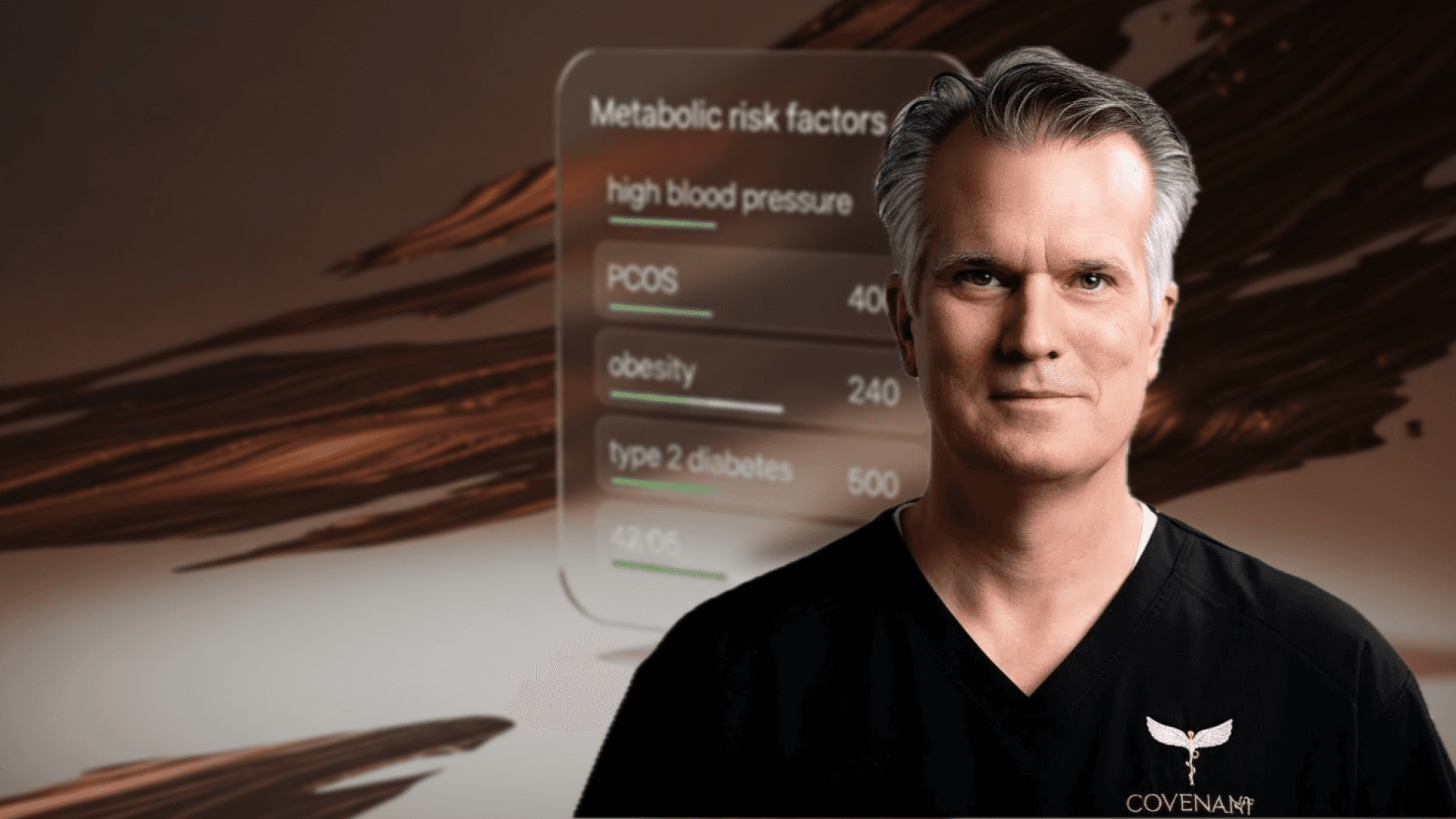
First, I encourage you to discuss your risk of fatty liver disease with your primary care provider at your next annual visit. This is good conversation to have no matter who you are, but one that is imperative if you have a chronic disease like type 2 diabetes, obesity, polycystic ovary syndrome (PCOS), are prediabetic, or have high blood pressure.
All of these conditions make you more susceptible to fat build up in your liver.
Why Early Detection Is Difficult
From a medical perspective, pinpointing MASLD is imperfect and can be difficult.
How Fatty Liver Disease Is Evaluated
There are steps your doctor can take — ordering blood work to review the liver enzymes to see if they are within the normal range. If a more in-depth look into the liver is needed, your doctor can order advanced ultrasound and imaging that allow for a non-invasive more accurate examination. If your primary care provider does not have an ultrasound like this available, I urge you to ask to be referred to a specialist with access to the imaging tool.
Frequently Asked Questions (FAQ)
What is fatty liver disease?
Fatty liver disease occurs when excess fat builds up in the liver. Over time, this can interfere with normal liver function and may progress to inflammation, scarring, or liver failure if left unaddressed.
What is MASLD?
MASLD stands for Metabolic Dysfunction–Associated Steatotic Liver Disease. It is the most common form of fatty liver disease and is closely linked to metabolic conditions such as obesity, type 2 diabetes, prediabetes, high blood pressure, and insulin resistance.
Why is fatty liver disease so common in Florida?
Florida has a higher prevalence of metabolic conditions that increase the risk of fatty liver disease. Combined with the fact that the disease often has no early symptoms, many individuals may be living with fatty liver disease without knowing it.
Does fatty liver disease cause symptoms?
In many cases, fatty liver disease causes no symptoms at all, especially in its early stages. This is why it is often referred to as a “silent” disease and frequently goes undiagnosed until it has progressed.
Who should be screened for fatty liver disease?
Anyone can benefit from discussing liver health with their healthcare provider, but screening is especially important for individuals with:
Type 2 diabetes or prediabetes
Obesity or metabolic syndrome
High blood pressure
Polycystic ovary syndrome (PCOS)
A family history of liver disease
How is fatty liver disease diagnosed?
Evaluation may begin with blood tests to assess liver enzyme levels. If further assessment is needed, advanced, non-invasive imaging — such as specialized ultrasound — can provide a more accurate picture of liver fat and health without requiring a biopsy.
Can fatty liver disease be treated or managed?
Yes. While diagnosis can be challenging, early identification allows patients and providers to take steps that prioritize liver health, reduce risk factors, and help prevent disease progression.
Why is early detection important?
Fatty liver disease can progress silently over many years. Identifying it early creates an opportunity to intervene before serious complications — including cirrhosis or the need for transplant — develop.
Conclusion
If you have risk factors such as type 2 diabetes, obesity, prediabetes, high blood pressure, or a family history of liver disease, early evaluation matters.
A conversation with your healthcare provider — and appropriate non-invasive screening — can help identify fatty liver disease before it progresses.
Prioritizing liver health today can help prevent serious complications tomorrow.
Medical Advice Disclaimer
The content on CMS’s website (including, without limitation, any testimonials) is for general informational purposes only. It is not intended to diagnose or treat any condition, illness, or disease. All content from this site or connected social media channels is not intended to be used for medical diagnosis or treatment. Please consult a licensed medical professional for medical advice. CMS does not guarantee the accuracy, completeness, or timeliness of any information presented on this website.