

Blog
Fatty Liver, Healthy Heart
Why Liver Health Is Key to Cardiovascular Wellness
Christina George
Physician Reviewed
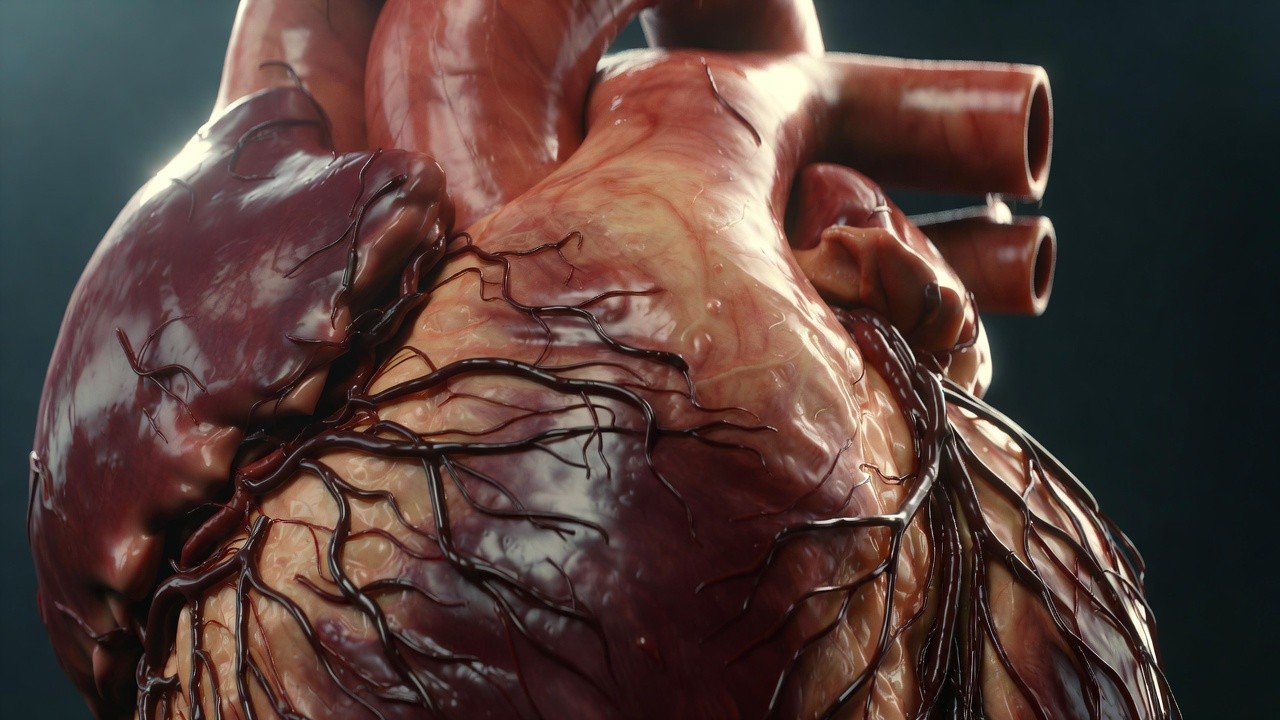
Fatty liver disease, now more accurately termed metabolic dysfunction-associated steatotic liver disease (MASLD), is one of the most common chronic liver conditions worldwide. While it is often discussed in the context of liver health, its impact extends far beyond the liver. Cardiovascular disease remains the leading cause of death among individuals with fatty liver disease, making this connection critically important for both patients and providers to understand.
A Shared Metabolic Root Cause
MASLD develops when excess fat accumulates in the liver, largely driven by insulin resistance, obesity, and metabolic syndrome. These same underlying factors also contribute to the development of atherosclerosis, hypertension, and dyslipidemia, which are key drivers of cardiovascular disease. Fatty liver disease should not be viewed as an isolated condition. It is a marker of broader metabolic dysfunction affecting multiple organ systems.
How Liver Dysfunction Impacts the Heart
The liver plays a central role in regulating lipid and glucose metabolism. When fat builds up in liver cells, this process becomes impaired. The result is increased production of very low-density lipoprotein (VLDL), elevated triglycerides, reduced high density lipoprotein (HDL), and worsening insulin resistance. Together, these changes promote plaque buildup in blood vessels and increase the risk of heart attack and stroke.
Disease Severity and Cardiovascular Risk
The severity of liver disease often parallels cardiovascular risk. Patients with more advanced inflammation or fibrosis tend to have a higher burden of cardiovascular disease. Even in early stages, fatty liver disease signals increased risk because metabolic dysfunction is already present.
Lifestyle as the Foundation of Treatment
The good news is that both fatty liver disease and cardiovascular risk are highly modifiable. Lifestyle intervention remains the foundation of treatment. A weight loss of 5 to 10 percent of total body weight can significantly reduce liver fat, improve insulin sensitivity, and improve cholesterol levels and blood pressure. Nutrition strategies that emphasize whole foods, lean protein, fiber, and healthy fats are especially beneficial. Regular physical activity, including aerobic exercise and resistance training, further supports metabolic health and helps preserve muscle mass.
Medical Management and Emerging Therapies
Medications may also be appropriate to treat conditions such as high cholesterol, diabetes, or obesity. In addition, new therapies that target metabolic pathways are currently being studied and show promising results.
A Comprehensive Approach to Care
For patients with fatty liver disease, care should always include cardiovascular risk assessment and management. Addressing the root causes of metabolic dysfunction can improve liver health and reduce the risk of long-term cardiovascular complications, leading to better overall health outcomes.
Medical Advice Disclaimer
The content on CMS’s website (including, without limitation, any testimonials) is for general informational purposes only. It is not intended to diagnose or treat any condition, illness, or disease. All content from this site or connected social media channels is not intended to be used for medical diagnosis or treatment. Please consult a licensed medical professional for medical advice. CMS does not guarantee the accuracy, completeness, or timeliness of any information presented on this website.