

Blog
Hepatitis C
Covenant Metabolic Specialists Health Library
Covenant Metabolic Specialists
Physician Reviewed
Dec 3, 2025
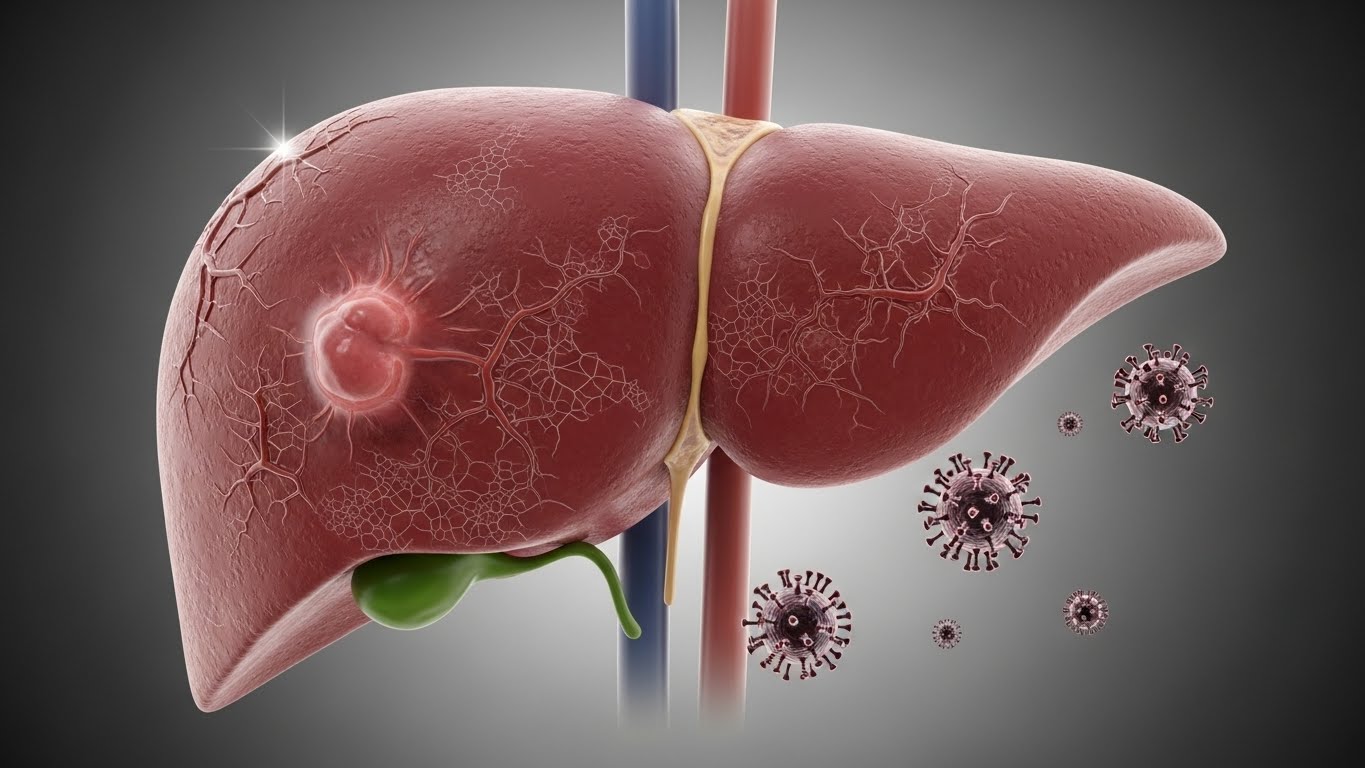
Hepatitis C is a viral liver infection caused by the hepatitis C virus (HCV), transmitted primarily through blood-to-blood contact. Unlike hepatitis A or B, most infections become chronic and may lead to cirrhosis or liver cancer. Modern treatments now offer effective cures for most patients.
Symptoms
Most individuals with HCV don’t notice symptoms for years. When present, signs include fatigue, joint pain, jaundice, dark urine, abdominal pain, and poor appetite. Symptoms often emerge only after significant liver damage has occurred.
Causes
HCV spreads through sharing needles, unscreened blood transfusions (before 1992), unsterile tattooing, and occasionally sexual contact. Healthcare exposure and birth from infected mothers are other routes.
Risk Factors
Risk factors include IV drug use, receiving blood products before 1992, being born between 1945 and 1965, HIV infection, and long-term dialysis. Many people remain unaware of their exposure and infection.
Diagnosis
Diagnosis is through anti-HCV antibody testing and HCV RNA PCR. Once detected, liver imaging and lab tests help stage disease. FibroScan or biopsy can assess fibrosis or cirrhosis status.
Treatments
Direct-acting antivirals (DAAs) offer cure rates over 95%. Treatment is typically an 8–12 week oral regimen. Liver monitoring continues even after cure, especially for those with cirrhosis.
Prevention
Avoiding shared needles, using gloves when exposed to blood, and screening high-risk populations are key to prevention. There’s no vaccine for HCV yet, but early treatment prevents long-term complications.
Our Take
Covenant tests all patients with liver concerns for HCV. If detected, we guide them through curative treatment and long-term liver protection. We stay updated on treatment advances for every genotype.
With early detection and treatment, hepatitis C can go from a silent killer to a fully curable condition. Covenant brings cutting-edge care to every patient living with—or recovering from—HCV.