

Blog
Hyperthyroidism
Covenant Metabolic Specialists Health Library
Covenant Metabolic Specialists
Physician Reviewed
Dec 3, 2025
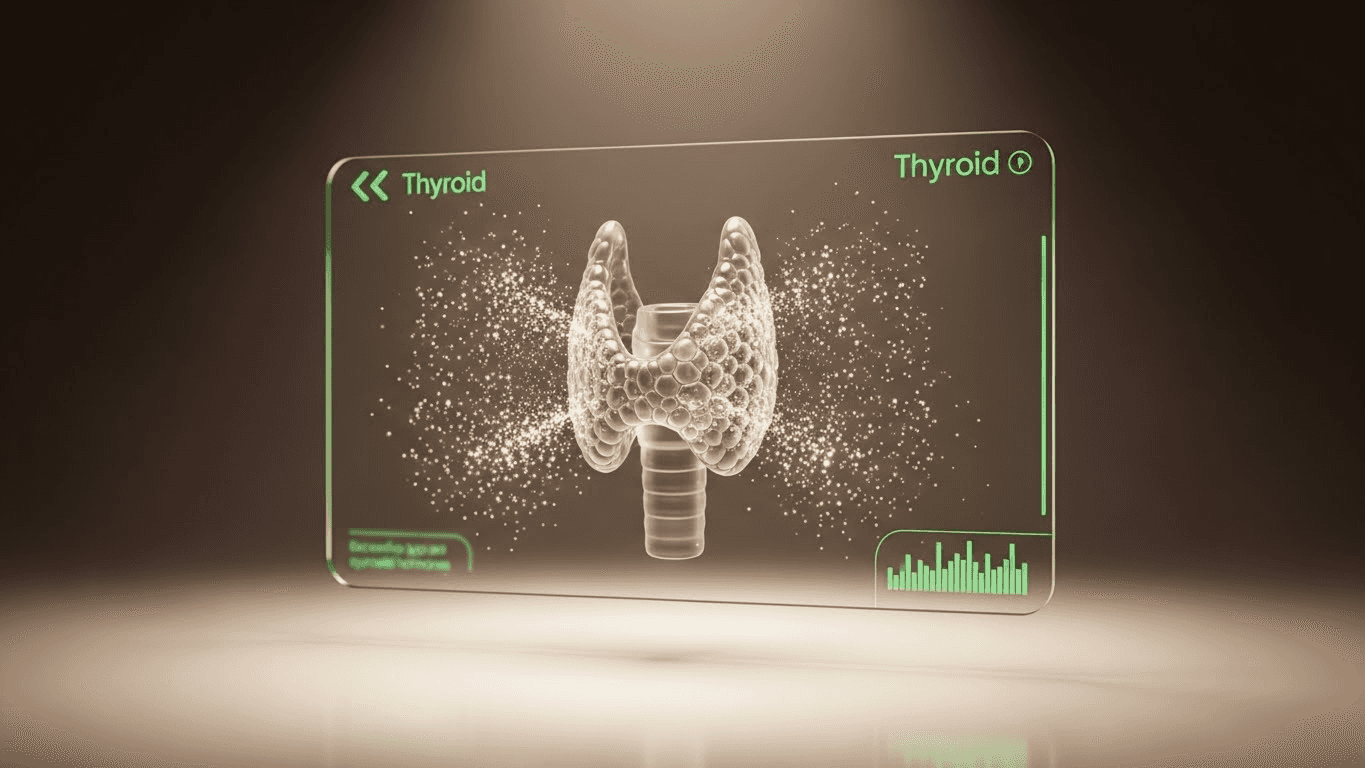
Hyperthyroidism is a condition in which the thyroid gland produces excessive thyroid hormones, speeding up metabolism and affecting every organ system. The most common cause is Graves disease, an autoimmune disorder. Proper diagnosis and treatment are critical to prevent serious complications such as atrial fibrillation and osteoporosis.
Symptoms
Symptoms include unintentional weight loss, rapid or irregular heartbeat, anxiety, tremors, heat intolerance, excessive sweating, muscle weakness, and thyroid enlargement (goiter). Eye changes—bulging eyes or double vision—occur in Graves disease due to orbital inflammation.
Causes
Graves disease triggers antibodies that stimulate the thyroid. Other causes include toxic multinodular goiter, toxic adenoma, thyroiditis releasing stored hormone, and excessive iodine or thyroid hormone intake. Certain medications like amiodarone can induce thyrotoxicosis.
Risk Factors
Risk factors are female sex, family history of autoimmune thyroid disease, smoking (exacerbates eye disease), high iodine intake, recent pregnancy, and personal history of other autoimmune conditions such as type 1 diabetes or celiac disease.
Diagnosis
Diagnosis involves suppressed TSH and elevated free T4 and/or T3 blood levels. Thyroid-stimulating immunoglobulin confirms Graves. Radioactive iodine uptake scans differentiate causes. Ultrasound evaluates nodules, and eye exams assess orbitopathy.
Treatments
Treatment options: antithyroid drugs (methimazole, propylthiouracil), radioactive iodine ablation, or surgical thyroidectomy. Beta-blockers relieve palpitations. Eye disease may need steroids or orbital decompression. Long-term monitoring guards against relapse or treatment-induced hypothyroidism.
Prevention
Prevention is challenging; avoiding excess iodine and careful monitoring of thyroid replacement therapy reduce iatrogenic hyperthyroidism. Smoking cessation mitigates Graves Eye Disease severity.
Our Take
At Covenant, we personalize therapy, balancing rapid symptom relief with long‑term remission goals. Endocrinologists, ophthalmologists, and surgeons collaborate to protect both metabolism and vision.
Hyperthyroidism accelerates the body but exhausts it over time. With Covenant’s integrated care, patients regain metabolic balance, cardiac safety, and quality of life.