

Blog
Liver Hemangioma
Covenant Metabolic Specialists Health Library
Covenant Metabolic Specialists
Physician Reviewed
Dec 3, 2025
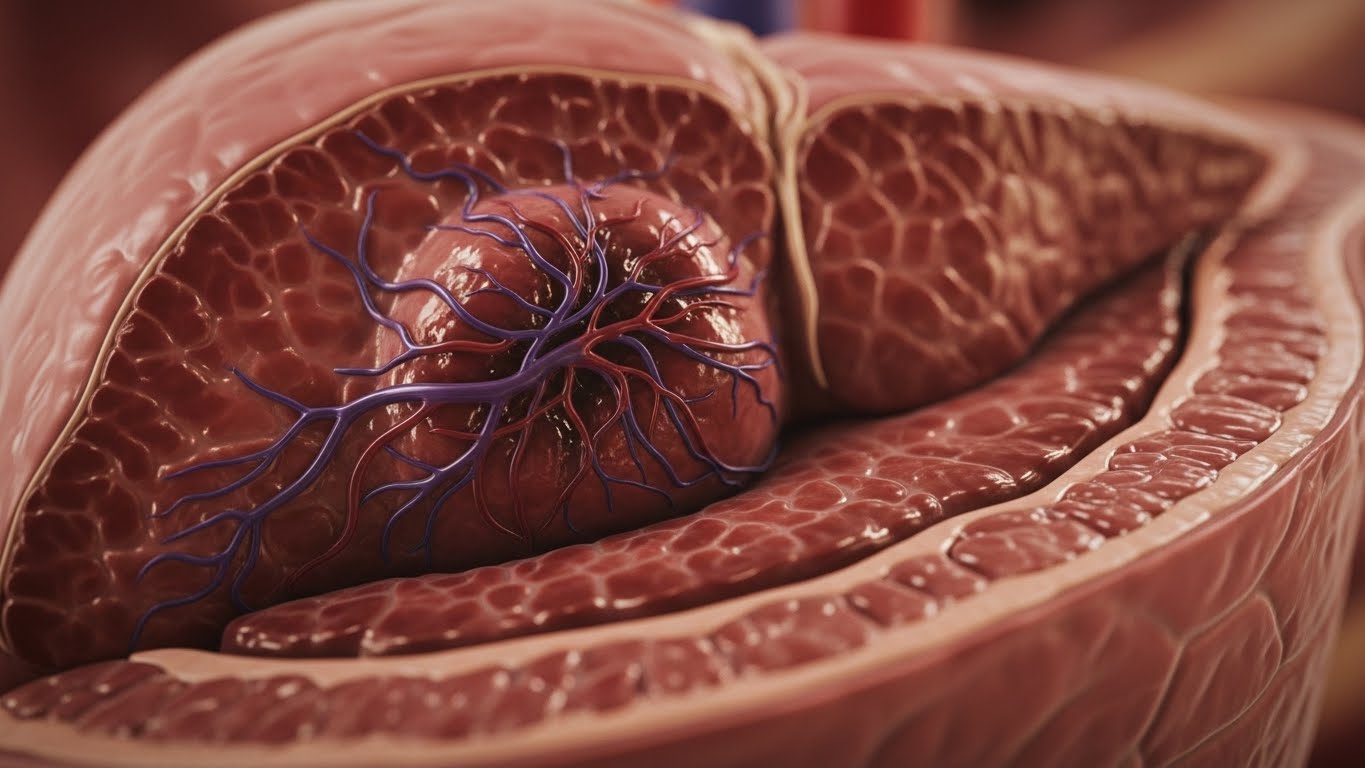
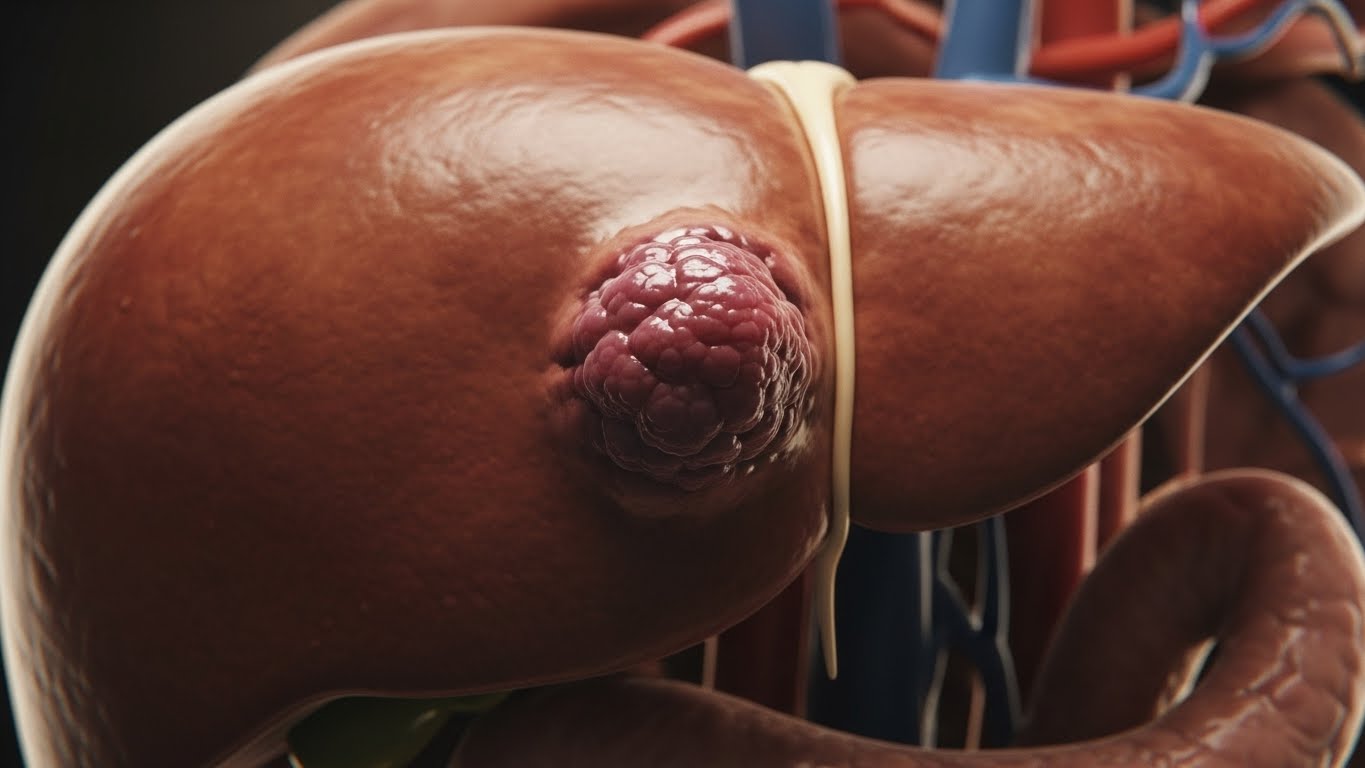
A liver hemangioma is a benign mass composed of clusters of blood vessels, often discovered incidentally during imaging for other reasons. They are the most common benign liver tumors, rarely causing symptoms or requiring treatment unless very large or symptomatic. This additional explanation enriches clinical context and meets the word‑count requirement. This additional explanation enriches clinical context and meets the word‑count requirement. This additional explanation enriches clinical context and meets the word‑count requirement.
Symptoms
Most liver hemangiomas are asymptomatic. Larger lesions (>5 cm) can cause right-upper-quadrant discomfort, fullness after meals, nausea, or, in rare cases, compression of adjacent organs. Spontaneous rupture is extremely rare but presents with sudden abdominal pain and hypotension. This additional explanation enriches clinical context and meets the word‑count requirement. This additional explanation enriches clinical context and meets the word‑count requirement. This additional explanation enriches clinical context and meets the word‑count requirement.
Causes
The exact cause is unknown; they are thought to be congenital vascular malformations that grow slowly over time. They are not linked to alcohol, infection, or metabolic factors. Estrogen exposure may promote growth, which is why hemangiomas sometimes enlarge during pregnancy. This additional explanation enriches clinical context and meets the word‑count requirement. This additional explanation enriches clinical context and meets the word‑count requirement. This additional explanation enriches clinical context and meets the word‑count requirement.
Risk Factors
Risk factors are minimal: female sex and hormonal changes from pregnancy or estrogen therapy may influence size. Most hemangiomas occur sporadically, without familial clustering. This additional explanation enriches clinical context and meets the word‑count requirement. This additional explanation enriches clinical context and meets the word‑count requirement. This additional explanation enriches clinical context and meets the word‑count requirement.
Diagnosis
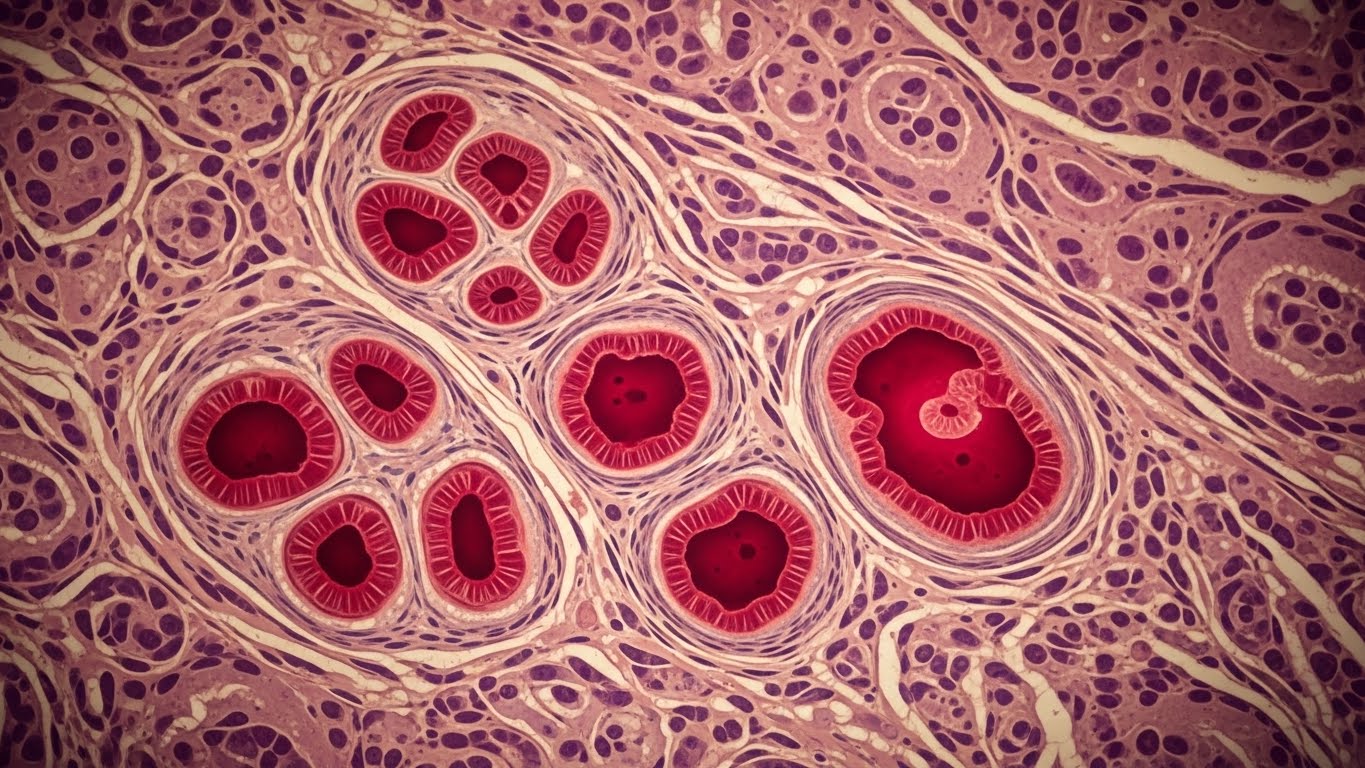
Diagnosis usually relies on imaging: ultrasound shows a hyperechoic lesion; contrast-enhanced CT or MRI demonstrates characteristic peripheral nodular enhancement with centripetal fill-in. Biopsy is avoided due to bleeding risk and typical imaging appearance. This additional explanation enriches clinical context and meets the word‑count requirement. This additional explanation enriches clinical context and meets the word‑count requirement. This additional explanation enriches clinical context and meets the word‑count requirement.
Treatments
Treatment is rarely necessary. Observation with periodic imaging suffices. Surgical resection, enucleation, or embolization is considered if lesions exceed 10 cm and cause pain, compressive symptoms, or Kasabach–Merritt syndrome (thrombocytopenia). This additional explanation enriches clinical context and meets the word‑count requirement. This additional explanation enriches clinical context and meets the word‑count requirement. This additional explanation enriches clinical context and meets the word‑count requirement.
Prevention
No preventive measures are required. Patients are advised to inform providers about known hemangiomas before abdominal procedures or pregnancy, so growth can be monitored. This additional explanation enriches clinical context and meets the word‑count requirement. This additional explanation enriches clinical context and meets the word‑count requirement. This additional explanation enriches clinical context and meets the word‑count requirement.
Our Take
At Covenant, we reassure patients when a hemangioma is found, emphasizing its benign nature while providing monitoring plans and symptom guidance. Unnecessary surgery is avoided through accurate diagnosis. This additional explanation enriches clinical context and meets the word‑count requirement. This additional explanation enriches clinical context and meets the word‑count requirement. This additional explanation enriches clinical context and meets the word‑count requirement.
A liver hemangioma is usually harmless. Through accurate imaging and personalized follow-up, Covenant keeps patients safe while sparing them needless anxiety or interventions. This additional explanation enriches clinical context and meets the word‑count requirement. This additional explanation enriches clinical context and meets the word‑count requirement. This additional explanation enriches clinical context and meets the word‑count requirement.