

Blog
Metabolic Organs: The Brain
Why the Brain Matters More Than You Think
Cameron Rolph, M.S.
Physician Reviewed
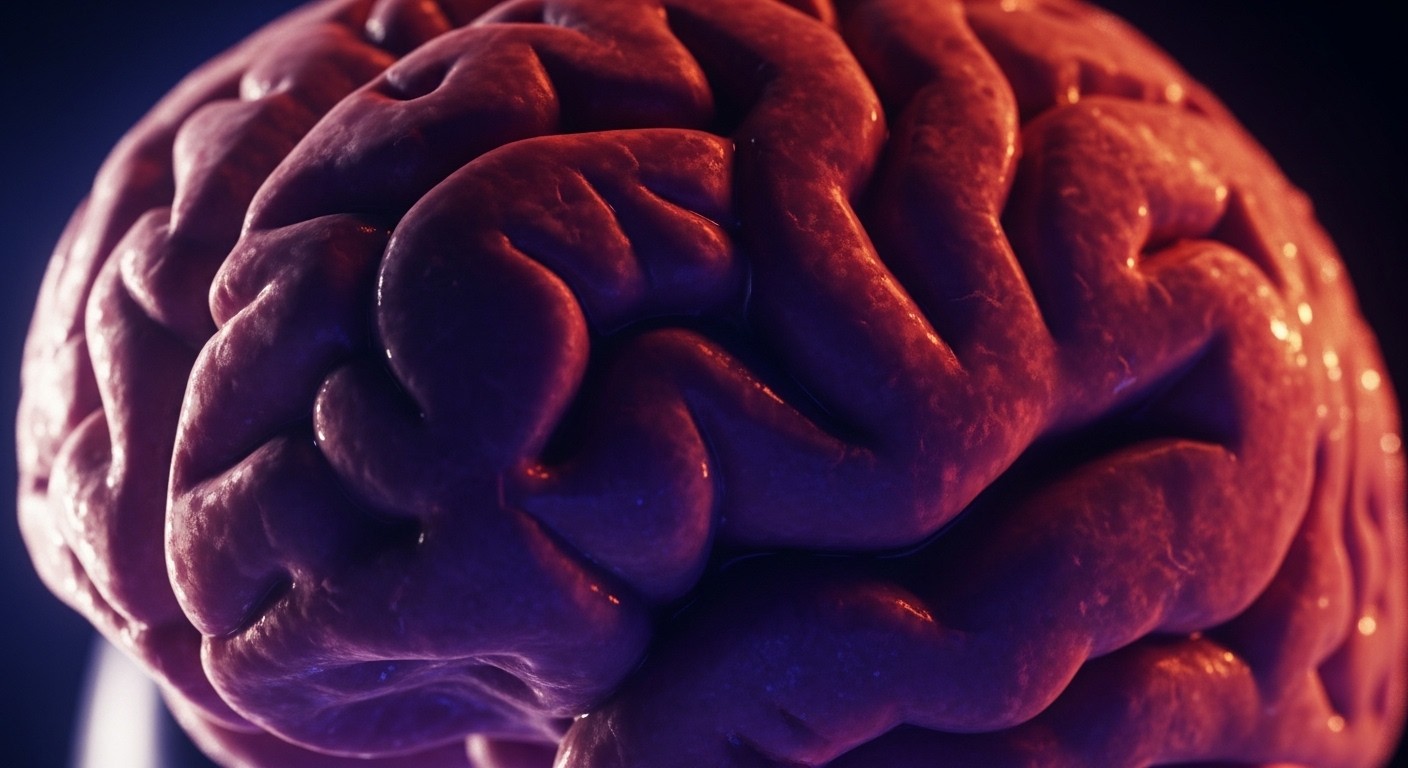
When we think about metabolism, we usually think of organs like the liver or pancreas. But one of the most active metabolic organs in the body is actually the brain. Although it makes up only about 2% of our total body weight, the brain uses nearly 20% of the body's energy every day. This incredible demand shows how important metabolism is for brain health, memory, and mental function.
Beyond simply consuming energy, the brain also plays a central role in regulating the body's metabolism. Through complex signaling pathways, the brain helps control hunger, energy use, hormone balance, and communication with other metabolic organs such as the liver. Because of this, disruptions in brain metabolism can contribute to broader metabolic diseases, including obesity, insulin resistance, and fatty liver disease.
Pathophysiology/Scientific Details
The brain runs mainly on glucose, a simple sugar that provides fuel for nerve cells. These cells, called neurons, need a constant supply of energy to send signals, process information, and support memory and learning. If the brain doesn't get enough glucose or oxygen, such as during low blood sugar or poor circulation, it can quickly lose function.
Another important player is the astrocyte, a type of support cell that helps feed neurons. Astrocytes take in glucose from the blood and convert it into lactate, which neurons can use as backup fuel during times of stress or high activity. This teamwork keeps the brain running smoothly.
The brain also operates as the body's central metabolic control center, particularly through a region called the hypothalamus. The hypothalamus monitors hormones such as insulin, leptin, and ghrelin to regulate appetite, energy expenditure, and nutrient balance. Through the autonomic nervous system, it sends signals to organs like the liver, pancreas, and adipose tissue to maintain metabolic stability.
When this communication network becomes disrupted, metabolic dysfunction can develop. In conditions such as obesity and insulin resistance, the brain may become less responsive to hormones that normally signal fullness and energy balance. This condition, often referred to as central insulin resistance, can lead to increased hunger, reduced energy use, and abnormal regulation of glucose and fat metabolism.
Because the brain helps coordinate how the liver processes sugars and fats, these signaling problems can contribute to the accumulation of fat in liver cells. Over time, this process may lead to metabolic dysfunction-associated steatotic liver disease (MASLD), more commonly known as fatty liver disease. Researchers also believe that inflammation and mitochondrial dysfunction in the brain may further worsen metabolic regulation throughout the body.
When the brain's energy systems are impaired, the consequences can extend beyond metabolic disease. Conditions such as Alzheimer's disease and Parkinson's disease have also been linked to disruptions in glucose metabolism and mitochondrial energy production within brain cells.
Prevalence / Impact on Society
Metabolic diseases are becoming increasingly common worldwide. Rising rates of obesity and type 2 diabetes have significantly increased the prevalence of fatty liver disease, which is estimated to affect roughly one in four adults globally.
At the same time, neurological conditions such as dementia are also increasing. According to the World Health Organization (WHO), more than 55 million people worldwide are currently living with dementia, with Alzheimer's disease being the most common cause.
These trends highlight how closely brain health and metabolic health are connected. Diets high in processed sugars, chronic stress, poor sleep, and physical inactivity can disrupt metabolic signaling in both the brain and the body. Over time, these lifestyle factors may contribute to obesity, insulin resistance, fatty liver disease, and cognitive decline.
How This Connects to Covenant's Mission
At Covenant Metabolic Specialists, we focus on more than just liver and metabolic diseases, we look at how metabolism impacts the whole body, including the brain. Our team uses advanced tools like FibroScan, comprehensive lab testing, and targeted therapy interventions to identify and manage early metabolic changes that could after time affect brain health.
By addressing underlying metabolic dysfunction, including insulin resistance and inflammation, we aim to improve overall metabolic balance. Through patient education, prevention programs, and clinical trials, Covenant works to strengthen the connection between metabolic health and cognitive wellness.
Conclusion
The brain is one of the body's most energy-demanding organs and one of the most sensitive to changes in metabolism. Beyond consuming energy, it also acts as a central regulator that helps coordinate how the body processes nutrients, controls appetite, and communicates with metabolic organs like the liver.
When this energy balance and signaling system becomes disrupted, it can contribute not only to cognitive decline but also to metabolic conditions such as obesity, insulin resistance, and fatty liver disease. By viewing the brain as a metabolic organ, researchers and clinicians can better understand how metabolic dysfunction develops throughout the body.
At Covenant Metabolic Specialists, we're committed to advancing this connection through research, early detection, and compassionate care, helping patients take charge of their metabolic and cognitive health for a stronger, healthier future.
Medical Advice Disclaimer
The content on CMS’s website (including, without limitation, any testimonials) is for general informational purposes only. It is not intended to diagnose or treat any condition, illness, or disease. All content from this site or connected social media channels is not intended to be used for medical diagnosis or treatment. Please consult a licensed medical professional for medical advice. CMS does not guarantee the accuracy, completeness, or timeliness of any information presented on this website.