

Blog
Nonalcoholic Fatty Liver Disease (NAFLD)
Covenant Metabolic Specialists Health Library
Covenant Metabolic Specialists
Physician Reviewed
Dec 3, 2025
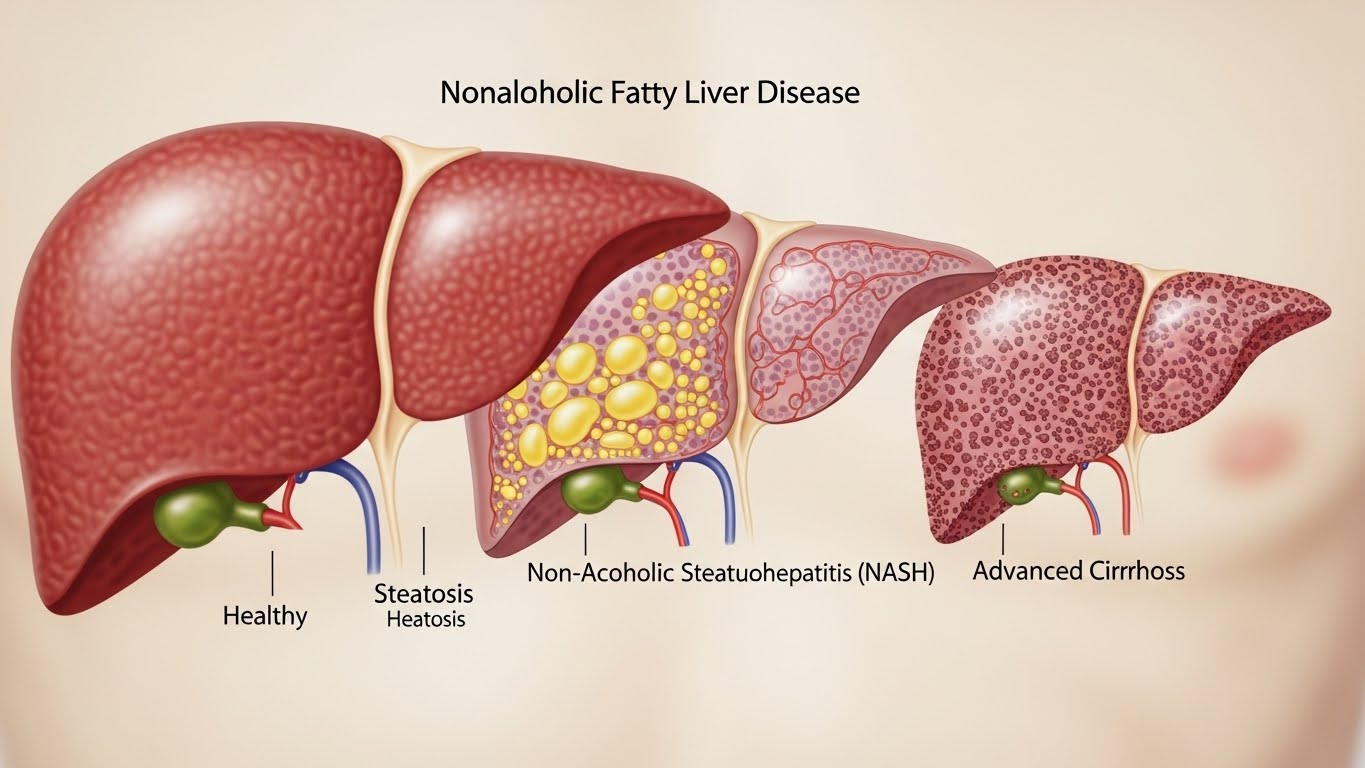
NAFLD is a condition where excess fat builds up in the liver of people who drink little or no alcohol. It's considered part of a spectrum of liver disease related to metabolic dysfunction, and it may progress to inflammation (NASH), fibrosis, cirrhosis, or liver cancer without proper intervention.
Symptoms
NAFLD is often asymptomatic, especially early on. Some individuals may report fatigue, discomfort in the upper right abdomen, or general malaise. Blood work may show mildly elevated liver enzymes. Advanced cases may experience signs of liver dysfunction such as jaundice or swelling in the legs and abdomen.
Causes
The primary cause is insulin resistance, often tied to obesity, type 2 diabetes, and high triglyceride levels. Dietary habits, sedentary lifestyle, and genetics also play a role. NAFLD may also be linked to gut microbiome imbalances and inflammation that worsen hepatic fat accumulation and injury.
Risk Factors
Risk factors include obesity, metabolic syndrome, type 2 diabetes, dyslipidemia, polycystic ovarian syndrome, and sleep apnea. Hispanic individuals and men are statistically at higher risk, though the condition affects all ethnicities and genders. Genetics, particularly PNPLA3 gene variants, can also significantly elevate risk.
Diagnosis
NAFLD is typically detected through abnormal liver enzymes, ultrasound, or FibroScan. MRI and liver biopsy help assess fat levels and rule out inflammation or fibrosis. Blood tests may include ALT, AST, and biomarkers like FIB-4 and NAFLD fibrosis score to evaluate disease stage.
Treatments
The cornerstone of treatment is weight loss through diet and exercise. Losing 7–10% of body weight can reverse liver fat and inflammation. Emerging therapies include GLP-1 receptor agonists, SGLT2 inhibitors, and clinical trial drugs targeting liver fat metabolism. Avoiding alcohol is also recommended.
Prevention
Early lifestyle modification is the best prevention. Maintaining a healthy weight, regular physical activity, and a low-sugar, low-processed-carb diet significantly reduce risk. Controlling blood sugar and lipid levels is key, as is routine liver function testing in at-risk individuals with diabetes or obesity.
Our Take
NAFLD is one of the most common chronic liver conditions in the world—and it’s growing. At Covenant, we identify liver dysfunction early and help reverse it before irreversible damage sets in. Our multidisciplinary team integrates nutrition, metabolic therapy, and long-term monitoring.
NAFLD is preventable, manageable, and often reversible. Covenant’s goal is to educate and intervene early—before complications like cirrhosis or hepatocellular carcinoma arise.