

Blog
Signs of Insulin Resistance
How to Recognize It Early and Why It Matters
Tashira Persia
Physician Reviewed
What is Insulin Resistance?
The pancreas secretes many enzymes and hormones to help control specific processes in our body. An important hormone secreted by the beta-cells of the pancreas is insulin. Insulin is in charge of taking glucose from the bloodstream and transporting it inside our cells in different organs (e.g. Liver and skeletal muscle). Insulin resistance occurs when the body cells stop responding effectively to insulin. Progression of insulin resistance can lead to metabolic syndrome, type 2 diabetes mellitus, and Metabolic Dysfunction Associated Steatotic Liver Disease (MASLD). The good news is that insulin resistance is often reversible, especially when addressed early.
Prevalence/How It Is Affecting
The prevalence of insulin resistance varies widely across countries, but it is around 26.53% to 65%. Many people feel fine for years, but when symptoms appear, they include fatigue, increased hunger, difficulty losing weight, brain fog and craving sugary and/or carb-heavy foods. Signs usually seen include dark patches on the skin, abnormally high serum glucose levels, high cholesterol levels, elevated blood pressure, and fatty liver infiltration.
How To Assess Insulin Resistance
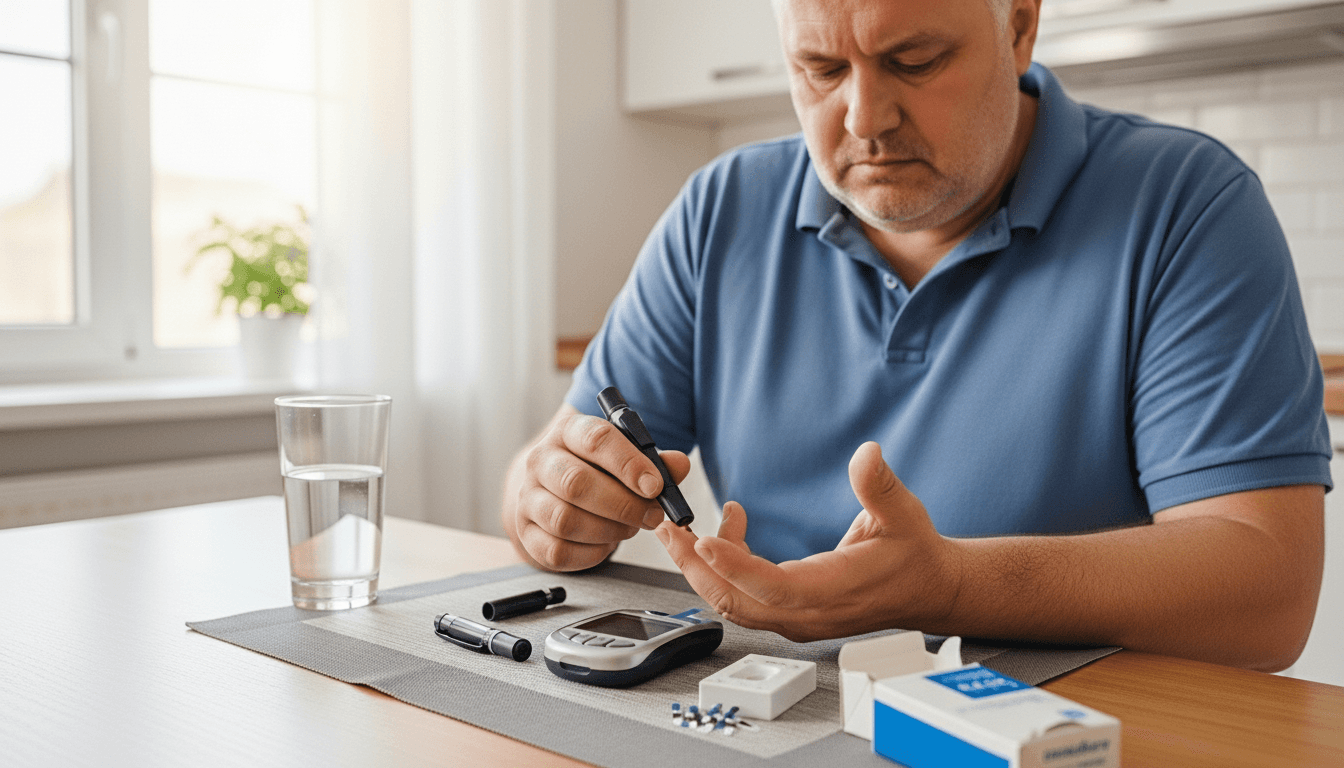
There are three main ways to diagnose insulin resistance: measuring fasting glucose, Hemoglobin A1c, or performing an Oral Glucose Tolerance Test (OGTT). Fasting glucose must be above 99 mg/dL for a patient who has insulin resistance. From 100 mg/dL to 125 mg/dL patients will be classified as prediabetes, but a fasting glucose greater or equal to 126 mg/dL will be classified as diabetes mellitus. Hemoglobin A1c must be above 5.6% when there is insulin resistance, and patients are classified as prediabetes with a hemoglobin A1c from 5.7% to 6.4% and as diabetes mellitus if the hemoglobin A1c is greater or equal to 6.5%. An Oral Glucose Tolerance Test (OGTT) measures blood glucose two hours after drinking a special sweet drink (75-g oral glucose solution). A patient with serum glucose greater than 139 mg/dL after two hours has insulin resistance. From 140 mg/dL to 199 mg/dL two hours after drinking the solution, a patient is considered to have prediabetes but if greater or equal to 200 mg/dL, a patient has diabetes mellitus. The HOMA-IR, QUICKI, LAP and TyG indices are 4 other more complex surrogates of insulin resistance.
How This Ties in with Covenant's Mission or Services
One of the biggest consequences of insulin resistance is the deposition of fat in the body, especially in the liver. At Covenant Metabolic Specialists, we are committed to helping patients deal with fatty liver infiltration (MASLD), fatty liver infiltration + fibrosis/inflammation in the liver (MASH), late stages of liver disease (cirrhosis), as well as helping patients with cardiovascular disease. These are all potential consequences of insulin resistance.
Conclusion
Insulin resistance is a common but serious condition that can be improved and prevented. With early awareness, late stage and irreversible diseases can be avoided. At Covenant Metabolic Specialists, we have advanced tools to help with early diagnosis of these pathologies and, more importantly, treatment options to aid in the appropriate management of them. We encourage patients to take small but consistent steps to prevent complications and seek long-term metabolic health; the time is now.
Medical Advice Disclaimer
The content on CMS’s website (including, without limitation, any testimonials) is for general informational purposes only. It is not intended to diagnose or treat any condition, illness, or disease. All content from this site or connected social media channels is not intended to be used for medical diagnosis or treatment. Please consult a licensed medical professional for medical advice. CMS does not guarantee the accuracy, completeness, or timeliness of any information presented on this website.