

Blog
Statins and Your Liver
Clearing Up Common Concerns
Tatiana Dorenko, DNP, APRN, FNP-BC
Physician Reviewed
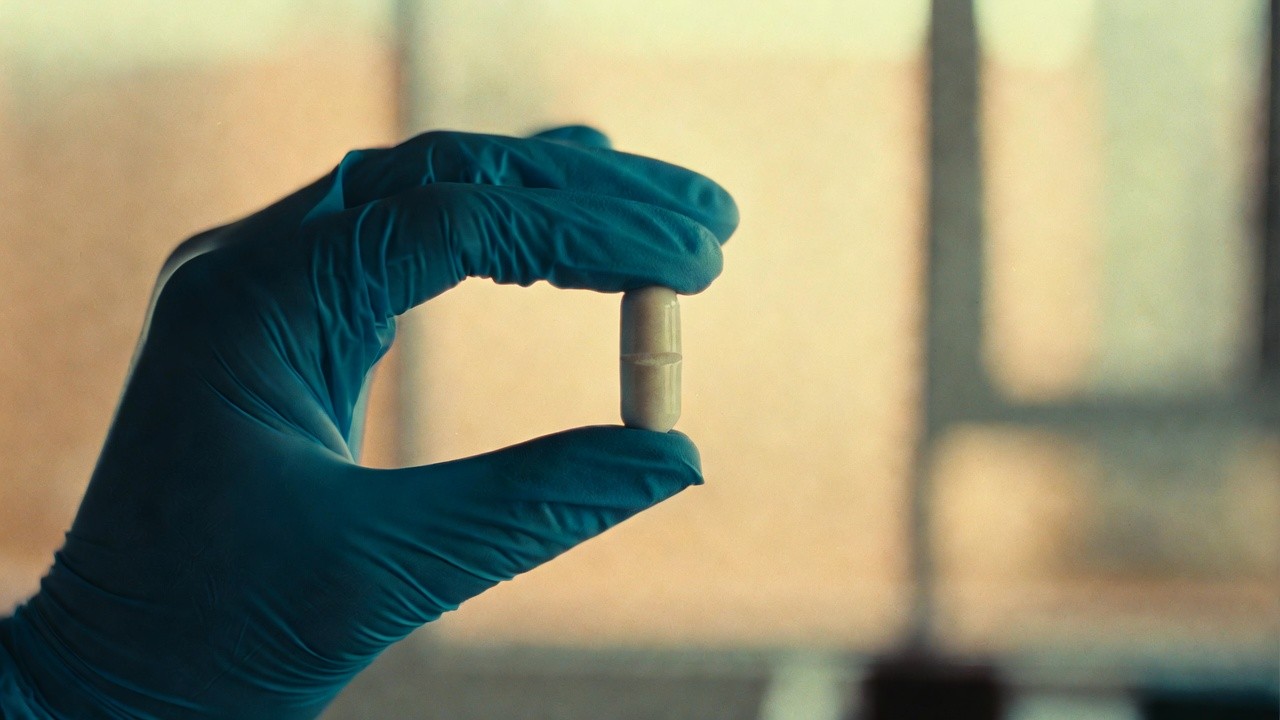
If you've ever been prescribed a statin, you may have heard this worry: "Aren't those bad for your liver?"
It's one of the most common questions patients ask–and understandably so. Since statins work in the liver to lower cholesterol, it sounds logical that they might harm it. But the reality is much less alarming.
What Statins Actually Do
Statins lower "bad" cholesterol (LDL) by slowing down cholesterol production in the liver. This helps prevent plaque buildup in arteries, which reduces the risk of heart attacks and strokes.
For millions of people, statins significantly lower the chance of serious cardiovascular events. In many cases, they are lifesaving medications.
The Liver Enzyme Confusion
Here's where most of the concern comes from.
Statins can sometimes cause mild increases in liver enzymes on blood tests. Liver enzymes (like AST and ALT) are markers used to monitor liver health. When they go up slightly, it can sound scary.
But a small increase in these numbers does not mean liver damage.
In most cases:
The elevation is mild.
It causes no symptoms.
It goes back to normal on its own.
It does not require stopping the medication.
Serious liver injury from statins is very rare. Because of this, doctors no longer recommend frequent routine liver testing for people who are stable on statins, unless there are symptoms such as unusual fatigue, dark urine, or yellowing of the skin.
What If You Have MASLD?
You may have heard the term MASLD, which stands for Metabolic dysfunction-Associated Steatotic Liver Disease. This is the newer name for what used to be called nonalcoholic fatty liver disease. The name was updated to better reflect that the condition is linked to metabolic issues such as obesity, insulin resistance, high blood pressure, and high cholesterol–not alcohol use.
Many people assume that having MASLD means they shouldn't take a statin. In fact, the opposite is often true.
People with MASLD are at higher risk for heart disease, which is a leading cause of death in this group. Statins help reduce that risk. Having MASLD alone is not a reason to avoid them.
You might also hear the term MASH, which stands for Metabolic dysfunction-Associated Steatohepatitis. This is a more advanced form of MASLD where there is inflammation and liver cell injury in addition to fat buildup. Even in many cases of MASH, statins can still be used safely when indicated for heart protection.
What About Hepatitis or Cirrhosis?
If someone has chronic hepatitis or stable (compensated) cirrhosis, statins can often still be used safely under medical supervision. Every case is individual, and doctors consider the overall health of the liver before making a decision.
More advanced (decompensated) liver disease requires extra caution and specialist care.
The Bottom Line
The idea that "statins damage the liver" is largely a myth.
While mild lab changes can happen, true liver injury from statins is rare. For most people, the benefit of lowering heart attack and stroke risk far outweighs the small risk of liver-related side effects.
If you're concerned about your medication, the best step is to talk openly with your healthcare provider. Don't stop a statin on your own out of fear.
In most cases, your liver and your heart will thank you for staying on track.
Medical Advice Disclaimer
The content on CMS’s website (including, without limitation, any testimonials) is for general informational purposes only. It is not intended to diagnose or treat any condition, illness, or disease. All content from this site or connected social media channels is not intended to be used for medical diagnosis or treatment. Please consult a licensed medical professional for medical advice. CMS does not guarantee the accuracy, completeness, or timeliness of any information presented on this website.