

Blog
Type 1 Diabetes
Covenant Metabolic Specialists Health Library
Covenant Metabolic Specialists
Physician Reviewed
Dec 3, 2025
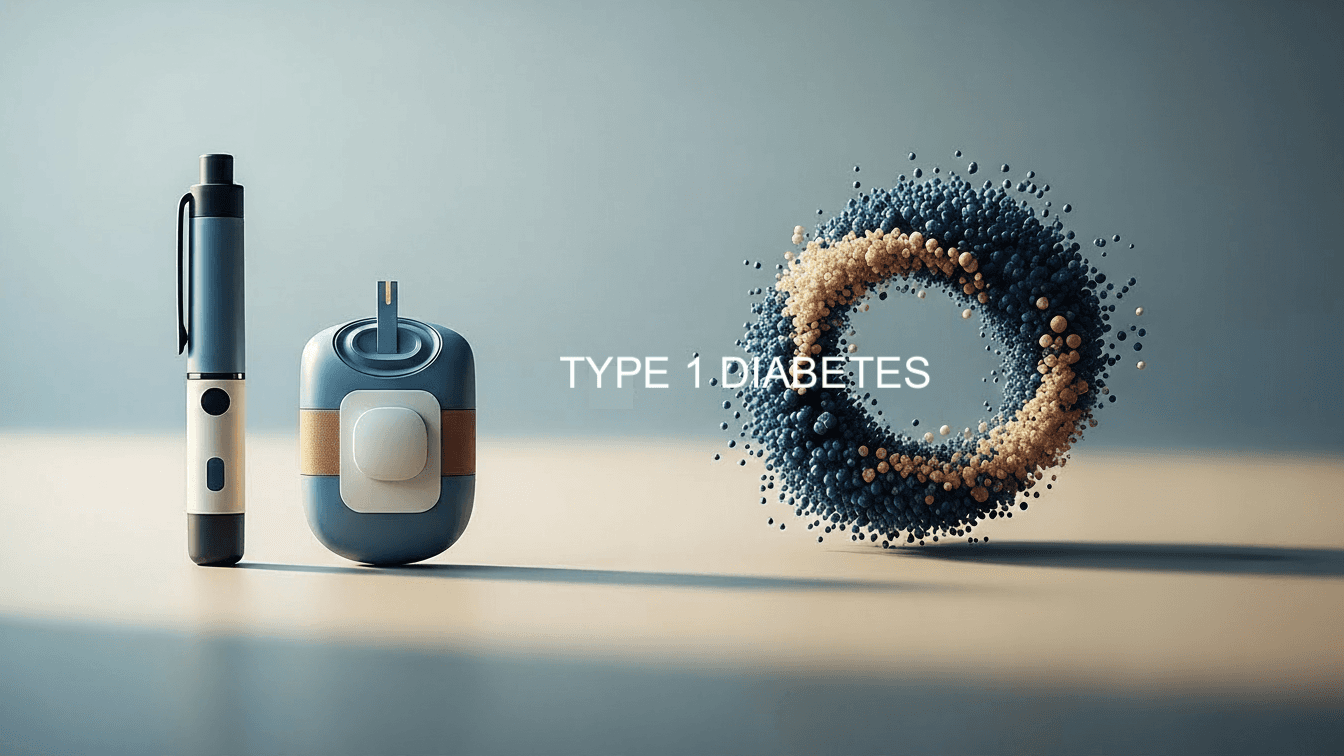
Type 1 diabetes is an autoimmune destruction of pancreatic beta cells causing absolute insulin deficiency. Onset typically occurs in childhood or adolescence but can strike adults. Continuous exogenous insulin and technological management tools transform what was once rapidly fatal into a livable chronic condition with near‑normal life expectancy.
Symptoms
Abrupt onset of thirst, frequent urination, nocturia, unintentional weight loss, blurry vision, and fatigue. In children, enuresis or bed‑wetting may reappear. Up to 30 % present in diabetic ketoacidosis with abdominal pain, vomiting, and rapid breathing. Untreated chronic hyperglycemia leads to microvascular complications like retinopathy and nephropathy.
Causes
Genetic predisposition in HLA‑DR3/4 plus environmental triggers—viral infections, early cow’s‑milk exposure, or microbiome dysbiosis—activate auto‑reactive T‑cells that target pancreatic islet cells, eliminating insulin production. Ongoing research explores viral and dietary antigen mimicry.
Risk Factors
Risk factors: first‑degree relative with type 1, presence of islet autoantibodies, Northern European ancestry, other autoimmune diseases, and certain viral infections. However, most patients have no family history, stressing the need for general awareness.
Diagnosis
Diagnosis requires hyperglycemia criteria plus low C‑peptide and positive autoantibodies (GAD, IA‑2, ZnT8, IAA). Distinguishing from type 2 in adults relies on clinical context, BMI, and antibody testing. Baseline thyroid and celiac antibodies evaluate comorbid autoimmunity.
Treatments
Intensive insulin therapy via multiple daily injections or insulin pump, continuous glucose monitoring, and carbohydrate counting. Hybrid closed‑loop systems automate dosing. Education on sick‑day rules, ketone testing, and hypoglycemia management. Research trials explore beta‑cell preservation and immunomodulators like teplizumab.
Prevention
Primary prevention remains investigational. Secondary prevention focuses on screening relatives for autoantibodies, early intervention studies, and timely insulin initiation to avoid DKA. Annual retinal, renal, and foot exams prevent complications.
Our Take
Covenant offers same‑week CGM start, virtual coaching, and psychosocial support, turning steep learning curves into manageable steps.
With technology, education, and multidisciplinary support, Covenant helps type 1 individuals thrive, minimizing complications and freeing them from constant uncertainty.