

Blog
Type 2 vs Type 3 Diabetes
What's the difference between Type 2 vs Type 3 Diabetes?
Stephanie Oliveros-Diaz, B.S.
Physician Reviewed
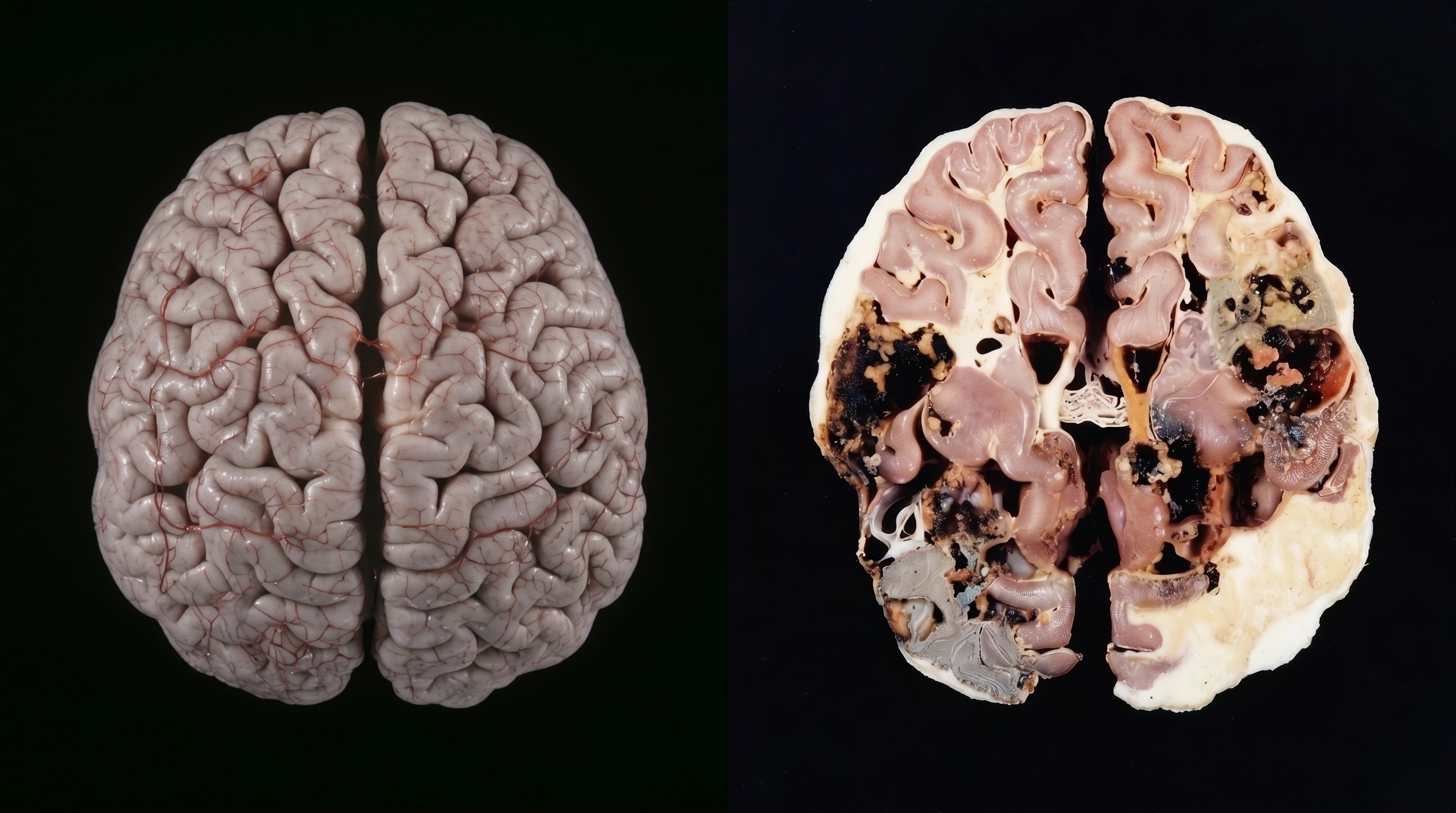
As of 2025, the International Diabetes Federation (IDF) approximates that 1 in 9 adults worldwide are living with diabetes, with about 90% of diagnoses being Type 2 diabetes. Research on diabetes is constantly developing in hopes of better treatment options and understanding of the disease.
While many are familiar with Type 1 diabetes, an autoimmune condition in which the body cannot produce insulin, and Type 2 diabetes, a disorder caused by insulin resistance and high blood sugar levels, the concept of a “Type 3 diabetes” has emerged over the past decade. This concept is developing as researchers investigate the possible connection between Alzheimer’s and diabetes.
What is Type 3 Diabetes?
Type 3 diabetes is currently still a theory and not an officially recognized diagnosis in clinical settings. The term is used to describe researchers’ theory that insulin resistance from cells in the brain may contribute to neurodegeneration. Furthermore, a research paper from physicians at Brown University concluded that the term “Type 3 diabetes” reflects that Alzheimer’s disease is a form of diabetes that selectively involves the brain.
Insulin-Resistance
Insulin is a hormone made by the pancreas that helps regulate glucose. Glucose is essential for cellular energy, growth, and repair. Fundamentally, insulin can be thought of as a “key” that unlocks cells so glucose can enter from the bloodstream. Without insulin, glucose stays in the bloodstream which can lead to high blood sugar -- a determinant characteristic across all types of diabetes.
Insulin’s Effect on Brain Function
When brain cells become less responsive to insulin signals, they become deprived of their energy source which can lead to neurodegenerative functions. The brain region primarily responsible for our memory, the hippocampus, is especially sensitive to insulin. Impairments of the hippocampus can result in:
Inability to form new memories
Difficulty recalling information
Trouble concentrating
Slower thinking and overall cognitive decline.
Alzheimer’s Disease
Alzheimer’s disease (AD) is a progressive brain disorder that impairs memory, thinking, and behavior. In AD, we see the breakdown of neuron communication, causing the brain to shrink along with a deteriorating effect on cognitive function.
One of the primary causes of AD is chronic inflammation and the buildup of beta-amyloid plaque on these neurons.
Chronic Inflammation
Type 2 diabetes can trigger chronic inflammation due to insulin resistance increasing the production of harmful molecules called reactive oxygen species (ROS). When insulin can’t do its job, glucose and fatty acids accumulate instead of being used as an energy source.
ROS is a natural byproduct of cellular metabolism, but too much can lead to oxidative stress which damages proteins, DNA, blood vessels, and more. This damage causes an immune system response that releases inflammatory chemicals called cytokines.
Over time, this chronic inflammation can worsen insulin resistance even further, creating a harmful cycle in which inflammation and metabolic dysfunction reinforce one another.
Type 2 vs. Type 3
Type 2 and Type 3 diabetes both involve problems with insulin signaling and metabolic pathway of glucose. They differ in where these problems are specifically found and what they can result in.
Type 2 Diabetes mainly affects the body’s ability to regulate blood sugar, while “Type 3 diabetes” refers to insulin resistance specifically in the brain that may contribute to cognitive decline and Alzheimer's disease.
Key Features of Each Type
| Type 2 Diabetes | Type 3 Diabetes |
Main Area Affected | Body/metabolism | Brain |
Primary Problem | Insulin resistance in body cells | Insulin resistance in brain cells |
Main Effect | High blood sugar | Cognitive decline & memory problems |
Common Symptoms | Fatigue, thirst, frequent urination | Memory loss, confusion, brain fog |
Associated Conditions | Obesity, cardiovascular disease | Alzheimer's disease |
Official Diagnosis? | Yes | Mostly a research term |
Treatment Focus | Blood sugar control | Brain health and cognitive support |
Key Takeaways
Type 3 diabetes is not an official diagnosis but is a theory that strongly links Alzheimer’s with insulin resistance
Not everyone that has type 2 diabetes will develop Alzheimer’s
Management of insulin and glucose is vital for healthy cellular function.
References
Diabetes Facts and Figures show global impact for individuals, families and countries
Type 2 Diabetes Mellitus as a Risk Factor for Alzheimer’s Disease: Review and Meta-Analysis
Medical Advice Disclaimer
The content on CMS’s website (including, without limitation, any testimonials) is for general informational purposes only. It is not intended to diagnose or treat any condition, illness, or disease. All content from this site or connected social media channels is not intended to be used for medical diagnosis or treatment. Please consult a licensed medical professional for medical advice. CMS does not guarantee the accuracy, completeness, or timeliness of any information presented on this website.