

Blog
What Is Fibrosis?
Understanding the Liver's Silent Scarring Process
Tatiana Dorenko, DNP, APRN, FNP-BC
Physician Reviewed
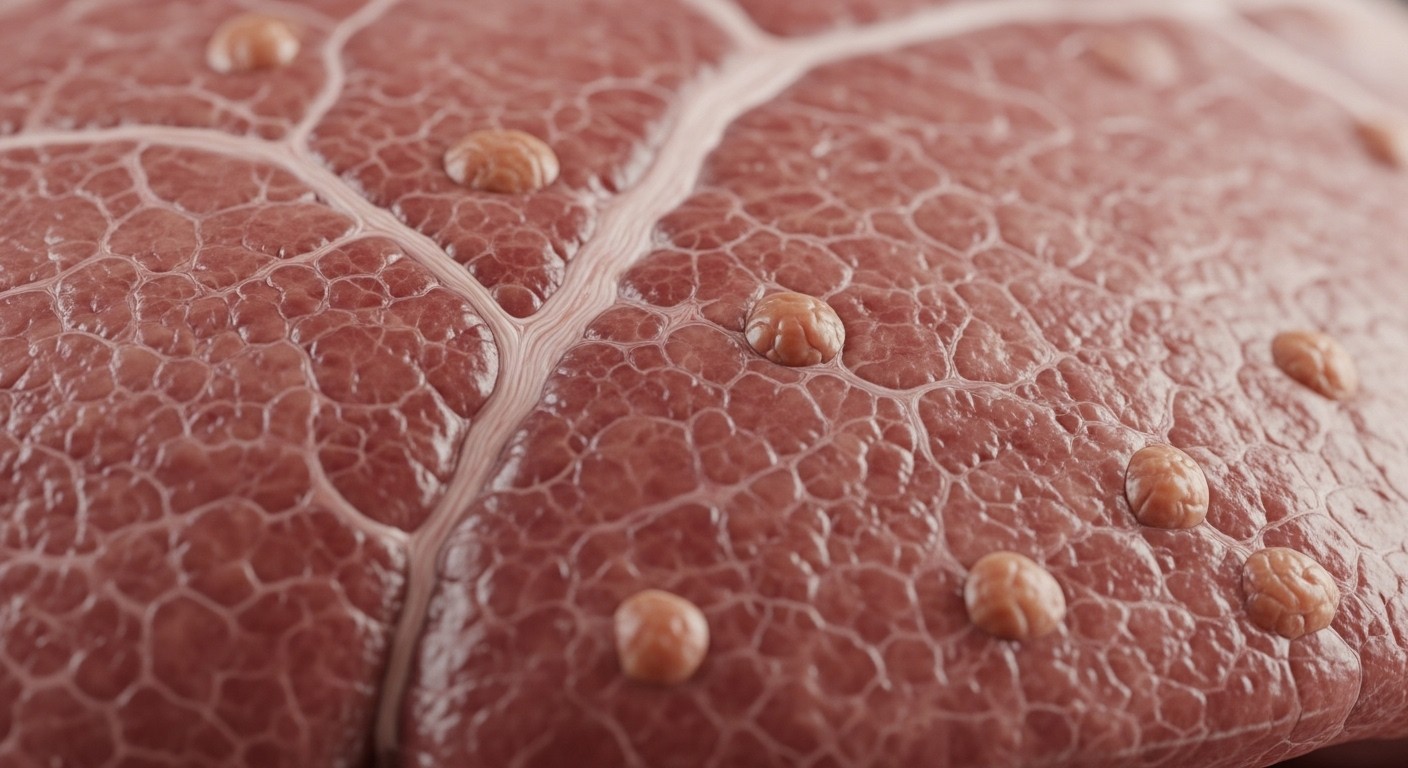
Liver fibrosis is a condition that develops quietly over time, often without obvious warning signs. It refers to the buildup of scar tissue in the liver that occurs when the liver is repeatedly injured or inflamed. While the word "fibrosis" can sound alarming, understanding what it means and how it develops can help people take action before more serious damage occurs.
In a healthy body, the liver is soft, flexible, and remarkably resilient. It filters toxins from the blood, helps digest fats, stores energy, regulates hormones, and plays a major role in metabolism. Most of the time, we don't notice the liver at work because it performs these functions efficiently in the background. When the liver is injured, however, its normal structure and function can begin to change.
Common causes of liver injury include fatty liver disease, viral hepatitis, long-term or heavy alcohol use, uncontrolled diabetes, obesity, and chronic inflammation. Each time the liver is damaged, it attempts to repair itself. Part of that repair process involves forming scar tissue. In small amounts, this scarring may heal or reverse. But when injury continues over months or years, scar tissue begins to accumulate. This gradual scarring is knows as liver fibrosis.
As fibrosis progresses, healthy liver tissue is slowly replaced by scar tissue. Unlike normal liver cells, scar tissue does not function well and reduces the liver's flexibility. This can interfere with blood flow through the liver and make it harder for the organ to perform its many essential jobs. Early stages of fibrosis typically cause no symptoms, which is why liver disease is often referred to as a "silent" condition. Many people feel completely well and are unaware that damage is occurring.
If fibrosis continues to worsen, it can eventually lead to cirrhosis. Cirrhosis is an advanced stage of liver disease in which scarring becomes widespread and permanent. At this point, the liver's structure is significantly altered, and complications may develop. These can include fluid buildup in the abdomen, easy bruising or bleeding, confusion due to toxin buildup in the blood, and an increased risk of liver cancer.
Because symptoms often appear late, early detection of liver fibrosis is especially important. Today, healthcare providers can assess fibrosis using noninvasive tools such as transient elastography, commonly known as FibroScan. This painless test, similar to an ultrasound, measures liver stiffness to estimate the amount of scarring present. Blood tests and imaging studies may also help evaluate liver health and track changes over time.
One of the most encouraging aspects of liver fibrosis is that it is not always permanent. When the underlying cause of liver injury is addressed - such as improving blood sugar control, reducing alcohol intake, managing weight, or treating viral hepatitis - further scarring can often be slowed or stopped. In some cases, existing fibrosis may even partially improve. Early recognition and lifestyle or medical interventions can make a meaningful difference in long-term liver health.
Understanding liver fibrosis empowers people to take their liver health seriously, even before symptoms appear. With timely evaluation and appropriate care, it is often possible to protect the liver and prevent progression to more advanced disease.
Medical Advice Disclaimer
The content on CMS’s website (including, without limitation, any testimonials) is for general informational purposes only. It is not intended to diagnose or treat any condition, illness, or disease. All content from this site or connected social media channels is not intended to be used for medical diagnosis or treatment. Please consult a licensed medical professional for medical advice. CMS does not guarantee the accuracy, completeness, or timeliness of any information presented on this website.